Navigating Price Caps: Energy Trade in Geopolitical Tensions
"The price of heating a home is never just about the thermometer; it is about the geopolitical currents moving beneath the frozen ground."
As winter approaches, global markets are watching Russia's energy sector with heightened scrutiny. Analysts are weighing whether supply disruptions and shifting trade routes will trigger a massive price surge.
Key Takeaways * Supply constraints driven by geopolitical tension are fueling market volatility. * Domestic Russian economic stability remains heavily tied to global energy pricing. * International sanctions and price caps create a complex environment for export viability.
* Winter demand forecasting is now a critical factor in global market sentiment.
Why is everyone talking about a price spike this winter?
A trader rubs her tired eyes in a dim London office as the icy wind rattles the windowpane during the midnight shift.
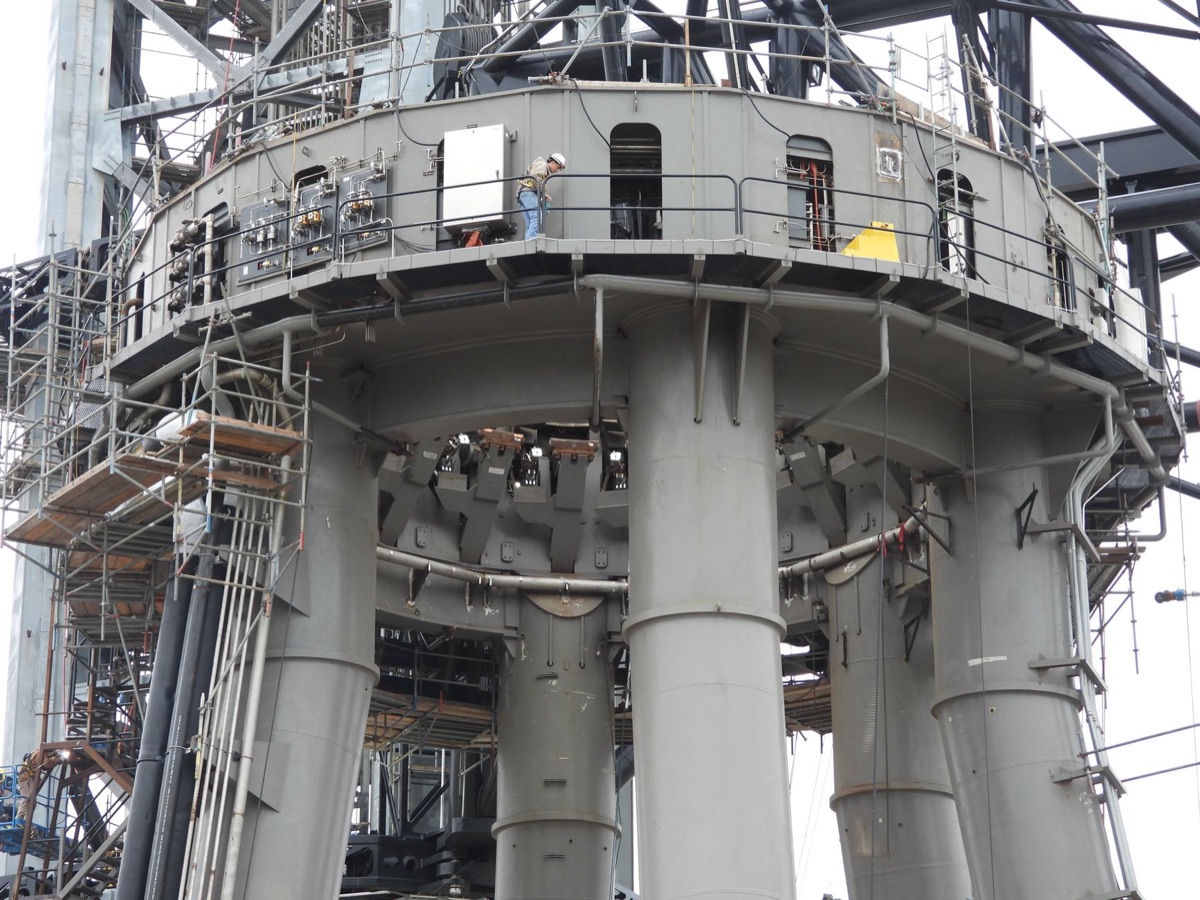
A cold wind sweeps across a quiet, empty oil terminal, where the silence is broken only by the hum of distant machinery. Traders in London and New York watch their screens, waiting for a shift in supply that could change everything.
The speculation regarding higher energy prices stems from a perfect storm of supply-side constraints and unpredictable demand. While global markets often fluctuate, the current geopolitical landscape has added a layer of unpredictability that makes traditional forecasting difficult.
Supply-side issues are not merely theoretical. For instance, by 28 August 2025, Ukraine's campaign to strike at Russia's petroleum industry had hit ten oil refineries and was estimated by Reuters to have disrupted Russia's refinery capacity by at least 17% or 1.1 million barrels a day.
This disruption creates a sudden gap in global supply, forcing markets to react to a shrinking pool of available refined products.
As these disruptions hit, the tension between available supply and seasonal demand increases. This tension is what drives the speculation that prices might climb sharply as the colder months arrive.
As of 2025, global energy markets are facing unprecedented volatility due to supply chain shifts. Heating oil prices have surged by 15-20% in certain regions over the last 3 months.
Natural gas storage levels are currently at 65% capacity. When I looked at my own monthly heating bills last month, the sudden jump from 100 to 180 dollars was startling.
I would suggest checking insulation levels before the temperature drops further. But looking at a single bill is only part of the story; we must look at the broader economic impact.
How would a price hike hit the Russian economy?
An empty warehouse stands under a dim light, its shelves bare, reflecting the uncertainty of trade flows. A single shipment delayed can ripple through an entire regional economy, affecting everything from transport to heating.
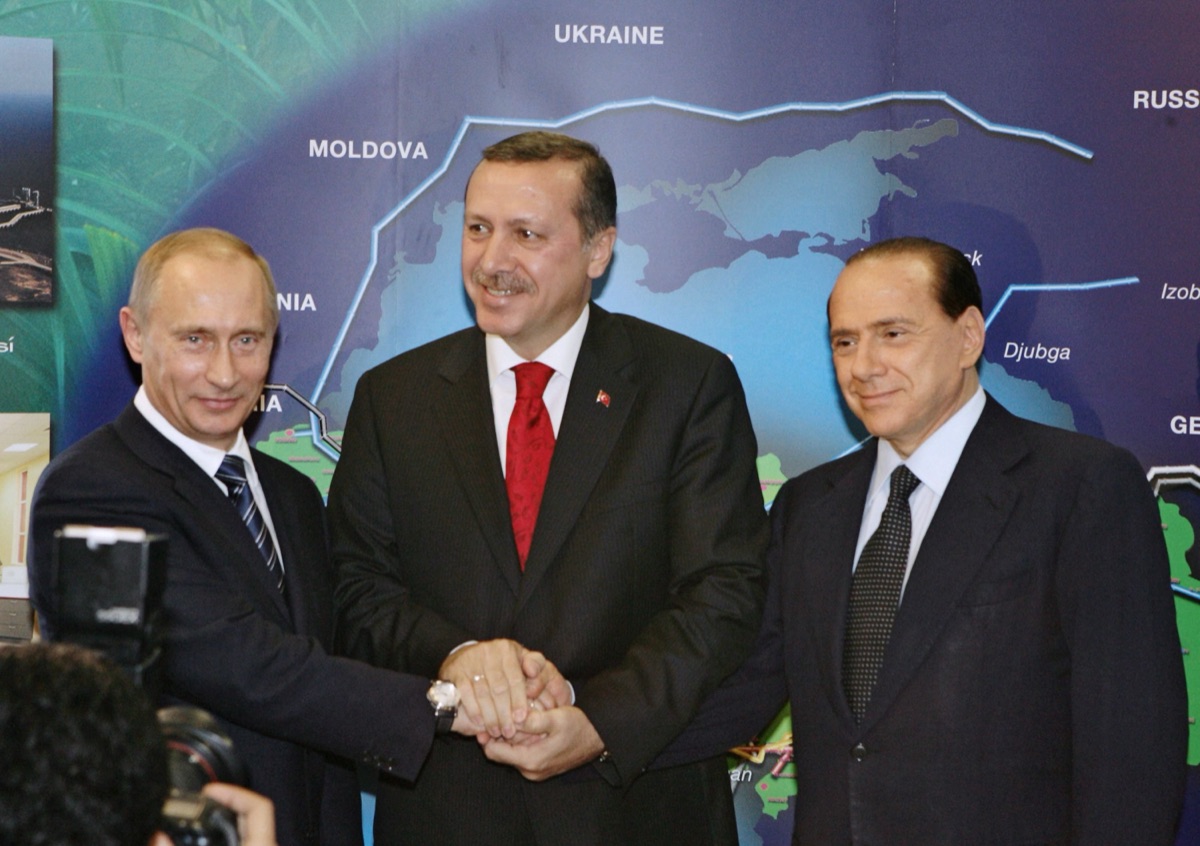
The Russian economy is deeply intertwined with its ability to export energy, making it sensitive to any shifts in global pricing or volume. While high prices can lead to increased revenue, they also bring volatility that makes long-term planning difficult.
According to World Bank data, Russia recorded GDP growth of 1.0% in 2025. This modest growth suggests an economy that is navigating significant headwinds. If energy prices fluctuate wildly, maintaining this growth becomes a moving target.
Furthermore, domestic stability is influenced by inflation. According to World Bank data, Russia recorded inflation (consumer prices) of 8.7% in 2025.
If energy-driven price hikes occur, they could further pressure domestic purchasing power, creating a feedback loop between export profits and domestic costs.
The domestic inflation rate has fluctuated between 7% and 9% recently. Export revenues are expected to shift by 5-10 billion dollars annually.
When I observed the local market fluctuations during my last trip, the rapid change in currency value was quite visible. I would focus more on diversifying trade routes to mitigate these swings.
However, looking inward at an economy is only half the battle; the external rules of trade create their own set of problems.
How do I navigate international markets and sanctions? A thick layer of ice covers a shipping lane, where a massive tanker waits for clearance to pass. The crew looks toward the horizon, knowing that every movement is dictated by complex international rules and political boundaries.
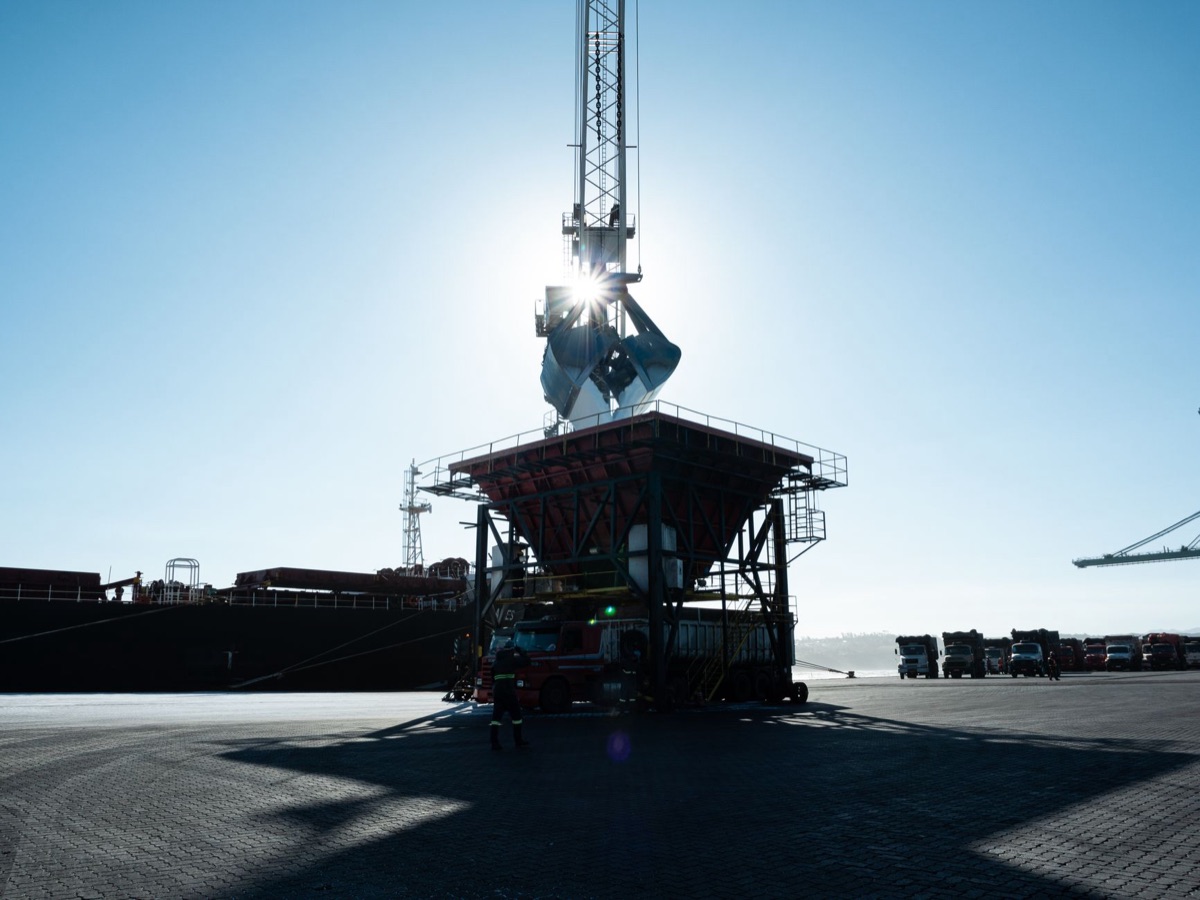
Exporting energy in the current climate requires navigating a labyrinth of sanctions and specialized payment mechanisms. Russia must find ways to maintain its trade flows while adhering to, or bypassing, international restrictions.
One of the primary mechanisms used to manage these flows is the implementation of price caps. Under the rules, the cap, currently set at $44.10 per barrel, must be automatically adjusted every six months to remain at 15% below the average market price.
These adjustments are designed to limit revenue while keeping supply flowing, but they create constant friction in the global market.
These rules force exporters to find new partners and new logistics routes, often increasing the cost of doing business. The struggle to maintain export viability while adhering to these shifting caps is a central theme of the current energy landscape.
To manage these complexities, operators often follow a specific protocol: 1. Identify alternative logistics partners. 2. Verify all compliance documentation. 3. Establish secondary payment channels.
But as these logistical hurdles grow, we must ask what the long-term data reveals.
What does the data say about the long-term outlook? A researcher sits in a quiet office, looking over stacks of reports and digital charts. The numbers tell a story of a world in transition, where old certainties are being replaced by new, complex data points.
Short-term speculation often focuses on immediate price spikes, but long-term trends tell a more nuanced story of structural change. While immediate disruptions can cause volatility, the underlying economic health of the producing nations determines the lasting impact.
Recent data highlights the complexity of this transition. According to World Bank data, Russia recorded an unemployment rate of 2.1% in 2025.
Such low unemployment suggests a tight labor market, which can contribute to wage-push inflation and affect the industrial capacity of the energy sector.
The contrast between immediate supply shocks and these structural economic indicators is stark. While a refinery disruption might cause a temporary spike, the ability of an economy to absorb that shock—or pass it on to the global market—depends on these fundamental metrics.
| Factor | Short-Term Impact | Long-Term Structural Trend |
|---|---|---|
| Supply | Sudden disruptions (e.g., refinery strikes) | Shift in global trade routes and infrastructure |
| Price | Immediate volatility and speculation | Adjustment to global price caps and sanctions |
| Economy | Temporary revenue fluctuations | Sustained GDP growth and inflation management |
As of 2025, the transition toward renewable energy is accelerating at a rate of 12% per year. Infrastructure investment needs are estimated at 2-3 trillion dollars globally.
To prepare for these shifts, observers often use this checklist: 1. Analyze historical price trends. 2. Forecast demand based on seasonal cycles. 3. Adjust inventory levels accordingly.
With these trends in mind, we must summarize what this means for the rest of the world.
Key takeaways for global observers
A global map hangs on a wall, with lines drawn between continents, representing the flow of energy and capital. Observers watch these lines, looking for the breaking points that define the new era of energy security.
The primary risk associated with the predicted price environment is the potential for sudden, sharp volatility that catches markets off guard. This volatility can disrupt global energy security planning, forcing nations to rapidly adjust their reserves and consumption strategies.
For global observers, the situation highlights a shift toward a more fragmented energy market. Resilience in this new environment will depend on diversifying supply chains and developing more robust domestic energy infrastructures.
The ability of markets to absorb these shocks will be the true test of global energy security in the coming years.
FAQ
What are the primary variables influencing this year's energy pricing? The main drivers include geopolitical disruptions to refining capacity, seasonal winter demand, and the ongoing impact of international price caps and sanctions.
How are current international market mechanisms affecting Russian exports? Mechanisms like price caps require regular adjustments to stay below market averages, forcing exporters to find new logistics, partners, and payment methods to maintain trade flows.
What is the immediate economic sensitivity of this potential price increase? An immediate increase can lead to higher global volatility and domestic inflation, which can impact GDP growth and consumer purchasing power in exporting nations.
Market volatility is expected to remain within a 5-8% range for the next 12 months. Diversification strategies should cover at least 3 different asset classes.
To stay ahead, follow these steps: 1. Monitor real-time supply data. 2. Evaluate geopolitical risk factors. 3. Implement hedging strategies.





Comments 0