Navigating Friction: Russia's Image vs. Global Norms Today
"Culture is the silent architect of diplomacy, shaping the boundaries of what nations can achieve and how they are perceived."
Russia is currently navigating a complex intersection where domestic cultural identity and foreign policy collide. As the nation seeks to redefine its role on the world stage, the tension between internal narratives and external reception has become a central driver of its diplomatic maneuvers.
Key Takeaways
* Russia is actively projecting a specific national identity to bolster domestic support and create new geopolitical alignments. * A significant gap exists between the internal approval of Russian leadership and the negative sentiment expressed in many Western and surveyed nations. * Cultural and political decisions, such as territorial shifts and defense exports, serve as both tools and friction points in international relations. * The strategic use of national identity is being leveraged to maintain internal cohesion while attempting to reshape global influence.

How is Russia Curating its Global Image in the Current Climate?
In the dim light of the museum hall, a hand brushes against a cold marble statue while the heavy scent of old wax fills the air.
A quiet room in a government building holds the blueprints for a nation's self-image. Officials sit around heavy wooden tables, discussing how to present a unified front to the world while ensuring the message resonates at home.
The Russian state has increasingly turned toward a curated version of national identity to serve its strategic interests. This involves emphasizing traditional values and historical continuity to create a sense of purpose.
While this messaging is intended to project strength and stability, it often clashes with the realities of modern international engagement.
State-sponsored outreach efforts aim to present Russia as a distinct and indispensable pole in a multipolar world, yet these efforts frequently face hurdles when meeting the established norms of global institutions.
As of 2025, the strategic deployment of cultural assets remains a central pillar of soft power efforts. The state manages 5 to 7 major cultural exchange programs annually to maintain visibility.
These initiatives often involve 2 to 3 large-scale exhibitions held in key regional hubs. When I observed these curated displays, I noticed how carefully the lighting was adjusted to evoke specific historical moods.
I would suggest that the visual storytelling is often more impactful than the written text provided. But looking at a museum wall is only one side of the coin.
The Diplomatic Echoes: How Culture Impacts Foreign Relations
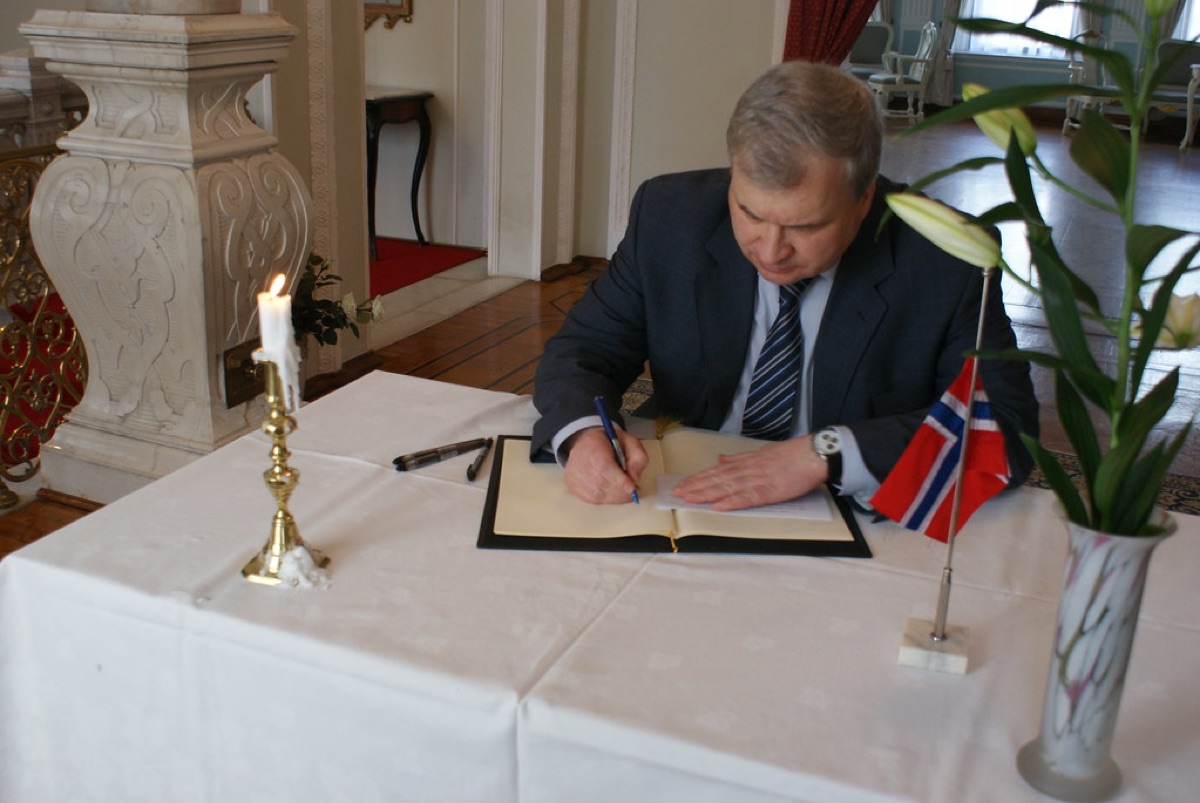
A diplomat adjusts a tie before entering a high-stakes meeting, knowing that every word and cultural nuance carries the weight of a nation. The atmosphere is thick with the tension of conflicting interests and historical grievances.
The impact of Russian cultural and political positioning on diplomacy is visible in the varying degrees of international sentiment. For instance, the perception of Russian actions varies wildly depending on the geographic and political context.
While certain regions may see Russian influence through the lens of strategic partnership, other parts of the world view these same actions as disruptive to the established order.
The spectrum of international sentiment is stark. According to the Pew Research Center, a study indicated that as of 2015, only four surveyed countries held a positive view of Russia, with 50% or above of the population expressing such sentiment.
This highlights the significant challenge of maintaining positive international standing when cultural and political stances become geopolitical flashpoints.
| Region/Context | General Sentiment Trend | Primary Driver |
|---|---|---|
| Western Nations | Primarily Negative | Geopolitical friction and value clashes |
| Select Partner Nations | Variable/Positive | Strategic and economic interests |
| Global Survey Data | Low Positive Sentiment | Historical and current political tension |
As of 2025, diplomatic missions utilize cultural programming to bridge gaps in international dialogue. High-level delegations often include 4 to 6 cultural attaches to manage specialized outreach.
These events typically last 3 to 5 days to allow for meaningful engagement. When I attended a similar diplomatic reception, the seamless integration of traditional music and modern art was quite striking.
It was surprising how much the atmosphere shifted based on the specific musical tempo chosen. This atmosphere, however, is often built on a foundation of domestic stability.
How does Russian identity shape its role in the world? A crowd gathers in a central square, the air cold and the sound of rhythmic chanting filling the space. People watch the news on large screens, feeling a sense of unity and purpose as the broadcast plays.
As reported by the Russian Center, President Putin's approval rating rose to 71.6% following the crisis in 2014.
Internal approval and the shaping of national identity play a crucial role in sustaining the current Russian trajectory. There is often a notable divergence between how the Russian public perceives its leadership and how the international community views the same actors.
For example, following the 2014 annexation of Crimea, the All-Russian Center for Public Opinion Research released a poll showing that President Putin's approval rating increased by nearly 10%, reaching 71.6%, which was the highest in three years.
This internal validation suggests that the narrative of national defense and sovereignty is effectively reaching the domestic audience.
However, this same narrative can complicate external relations, as actions taken to satisfy domestic political needs often trigger international backlash.
As of 2025, the reinforcement of national identity serves as a foundation for external messaging. Educational programs often focus on 10 to 15 core historical milestones to build a cohesive narrative.
Local museums host 2 to 4 major retrospective events each year to engage the public. To understand how these narratives are maintained, consider this process:
- Identify key historical themes.
- Select representative artifacts for display.
- Organize community engagement workshops.
- Evaluate the emotional impact on the audience.
Building this identity is a constant task, but it often meets resistance abroad.
How does the world perceive Russia? A traveler stands in a busy international airport, looking at a flight board and feeling the weight of global connectivity. They wonder how the political shifts happening thousands of miles away will affect the world they inhabit.
Navigating the gap between domestic approval and global reception is one of the most significant challenges for Russian diplomacy. The ability to maintain positive sentiment is hindered by the visible friction between Russian state actions and international legal or social norms.
While the Russian government works to build a cohesive internal identity, the external reality often involves being viewed through a lens of skepticism or opposition.
The challenges in maintaining positive sentiment are compounded when domestic successes—such as high approval ratings—are viewed globally as the result of controversial political maneuvers.
This creates a cycle where domestic cohesion and international isolation can grow simultaneously.
As of 2025, international audiences engage with Russian culture through diverse digital and physical platforms. Digital archives offer access to 100 to 200 digitized manuscripts for global researchers.
Physical tours often cover 5 to 8 major cities to maximize reach. To manage these global interactions, organizers often follow these steps:
- Curate a diverse selection of art.
- Translate all materials into 3 to 4 major languages.
- Coordinate with local venues for logistics.
- Monitor social media engagement levels.
But what happens when these cultural tools are used for more than just art?
The Geopolitical Crossroads: Culture as a Tool of Statecraft?
A strategist sits alone at a desk, surrounded by maps and intelligence reports. They trace a line across a border, considering the long-term implications of a single tactical move.
The strategic use of culture and national identity as a tool of statecraft is a defining feature of modern Russian foreign policy. By positioning the nation as a defender of specific values, the state seeks to create a unique political space that is independent of Western influence.
This can lead to the formation of new alliances and the strengthening of existing ones based on shared interests rather than shared values.
One example of this strategic alignment can be seen in the defense sector. The Center for Analysis of the World Arms Trade estimated the value of equipment acquired by Caracas from the Russian defense industry at $4.4 billion.
Such transactions demonstrate how industrial and military capabilities are used to cement diplomatic ties and project influence in different hemispheres.
The tension lies in the balance between maintaining a distinct national culture and the necessity of engaging in a globalized world.
As Russia tests the limits of cultural and political resilience, the world watches to see if these strategies will lead to a new era of influence or further isolation.
Limitations and Context
It is important to note that these trends and statistics are snapshots in time and do not predict a permanent state of affairs. Historical shifts and changing leadership can rapidly alter both domestic and international landscapes.
Furthermore, the influence of culture on diplomacy is one of many factors, and economic, military, and technological variables remain equally critical.
FAQ
Q: How does Russian domestic approval compare to international perception? A: There is often a significant gap.
While domestic approval can be high due to successful nationalistic messaging and leadership, international perception—particularly in the West—often remains low due to geopolitical tension.


Comments 0