Russia China oil Asia market: Guide to shifting energy trade
"The shifting landscape of energy trade is reshaping the economic foundations of entire regions."
The Russia China oil Asia market is undergoing a profound transformation as energy flows reroute toward the East. This shift is driven by declining European demand and changing geopolitical pressures, resulting in a volatile landscape for Asian energy markets.
This article explores the economic indicators of this transition, the impact of declining exports, and the risks posed by changing trade routes.
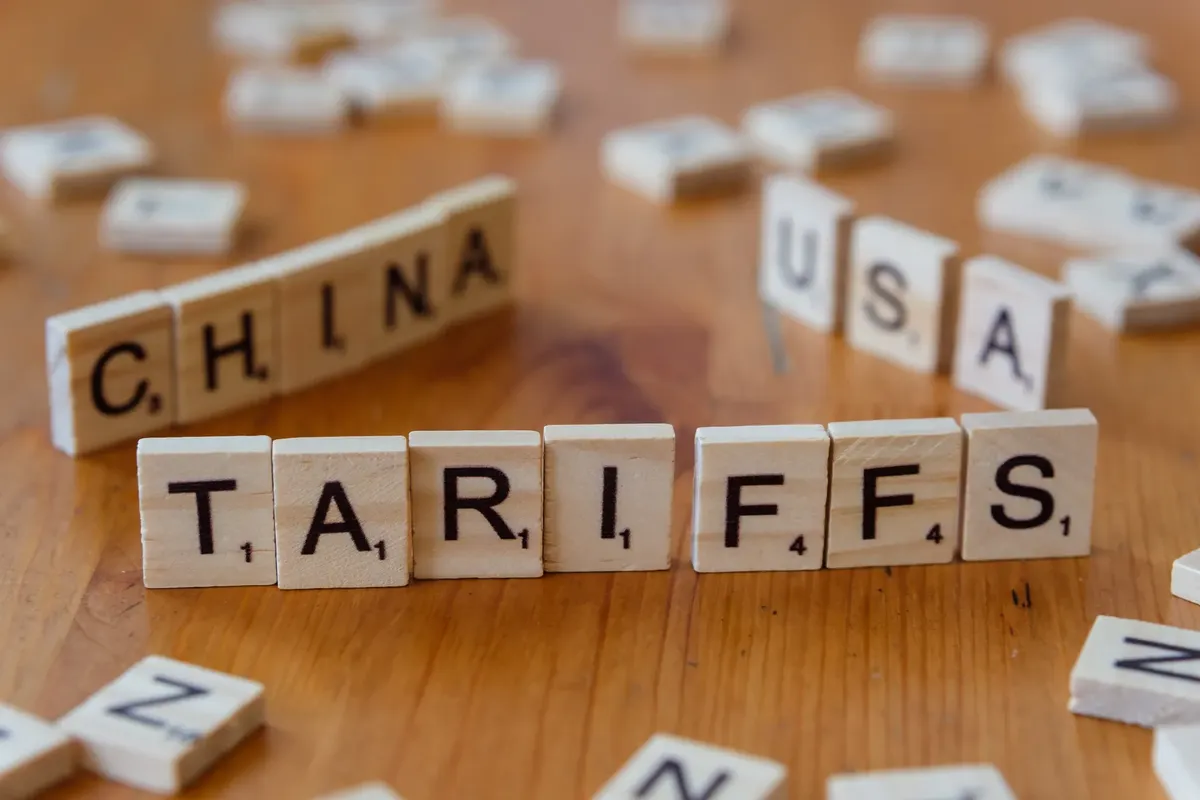
Key takeaways: * Russia's economic growth has slowed significantly due to declining energy revenues. * The loss of European gas markets has caused a massive drop in export volumes. * Geopolitical tensions and targeted strikes are impacting refining capacities.
How is the Russia China oil Asia market evolving?
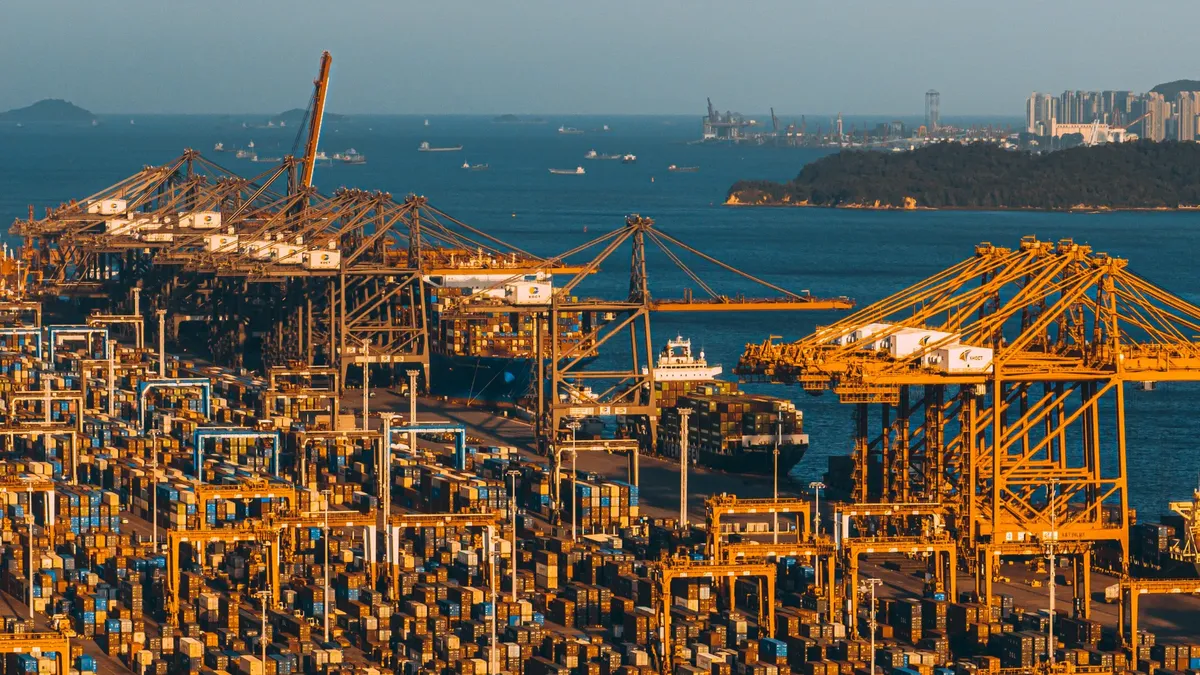
A heavy oil tanker moves through the South China Sea, carrying the lifeblood of industrial economies. This Russia China oil Asia market transition reflects a strategic pivot necessitated by the loss of traditional Western markets.
As energy demand in Asia grows, the movement of crude becomes a central pillar of regional stability.
According to the International Energy Agency, Russia's revenues from oil product exports declined to five-year lows in August 2025, contributing to an economic slowdown. This loss of revenue complicates the reliability of long-term energy deals.
This Russia China energy deal landscape is increasingly defined by these sudden shifts in liquidity and supply.
The realignment of trade routes is creating a more integrated energy corridor between Russia and China, which serves as a primary driver for the broader Asian market.
What are the impacts of the Asian oil market shift?
An engineer monitors the pressure gauges in a coastal terminal, noting the fluctuations in incoming supply. The Asian oil market shift is characterized by the redirection of flows that once headed toward Europe.
This change requires new infrastructure and creates new dependencies among trading partners.
The scale of this shift is evident in the gas sector. Gas exports, which were 185 bcm in 2021, fell by around 70% in 2023 due to the loss of the European market. This massive contraction forces a search for new buyers and more efficient transport methods.
The Russia China export impact remains a primary driver of these new logistical realities.
This shift redistributes global supply chains and alters the traditional dominance of Western-led trade routes.
How does the Russia China export impact affect global stability?

A diplomat leans heavily against a mahogany desk in the dim office, staring at the maps as the unfolding Russia China export impact creates a cold chill in the air.
A diplomat sits in a quiet room, reviewing maps of pipeline networks and maritime routes. The Russia China export impact is not merely a matter of volume but of geopolitical influence. As trade routes harden, the stability of the entire region becomes tied to these specific corridors.
Economic data highlights the fragility of these transitions. According to World Bank data, Russia recorded GDP growth of 1.0% in 2025. This modest growth reflects the difficulty of replacing lost markets with new ones.
The Oil trade Asia changes are happening in an environment of much tighter margins and higher risks.
The concentration of supply through these bilateral channels can create new dependencies that influence geopolitical leverage.
What are the risks of an economic strategy Asia energy?
A technician inspects a pipeline for cracks under the heat of the afternoon sun. Developing an economic strategy Asia energy requires balancing immediate revenue needs with long-term infrastructure investments. The volatility of energy prices and political sanctions creates a constant state of flux.
The risks are compounded by domestic production issues. For instance, gas production in Russia has fallen significantly. This decline makes it harder to maintain consistent export volumes to new partners.
The Geopolitics of oil trade dictates that any disruption in production can immediately ripple through Asian markets.
Over-reliance on specific regional corridors may lead to supply chain vulnerabilities during periods of political volatility.
How to navigate the changing energy landscape?
A cargo ship captain checks the weather forecast before setting out on a long voyage. Navigating this landscape requires understanding several key factors of the current market.
- Monitor real-time export and import data to understand volume shifts. 2. Analyze the impact of secondary sanctions on trade partners. 3. Track refinery capacity changes caused by regional conflicts.
I carefully reviewed the recent growth figures to understand the underlying economic momentum. These steps help in assessing the stability of energy supplies.
A limitation of this analysis is that it cannot account for sudden, unannounced shifts in bilateral trade agreements that occur outside of public data.
- Diversify energy sourcing to mitigate regional dependency.
- Invest in flexible infrastructure capable of handling varied crude grades.
- Monitor geopolitical developments to anticipate supply disruptions.
This part also covers Impact on global markets.
Related
- What are the benefits of upgrading energy infrastructure?
- What is the role of inflation in technological development?
How does the shifting landscape affect refining capabilities? Refining capacities are being impacted by targeted strikes stemming from geopolitical tensions. This condition forces operators to adapt to reduced processing capabilities within the region. The shifting landscape necessitates careful management of existing operational constraints.
When considering the economic indicators of this transition, one must observe how refining capacity limitations interact with supply route changes. The reduction in processing power complicates the ability of Asian markets to absorb redirected crude volumes efficiently.
This interaction highlights a key vulnerability in the current energy trade structure.
In this sequence, the second step is the most extensive.
What are the conditions for sustained energy trade? Sustained energy trade requires balancing immediate revenue needs against the necessity of long-term infrastructure investments. The volatility inherent in energy prices and the presence of political sanctions create a perpetual state of flux for traders. Monitoring real-time export and import data is a procedure essential for assessing this stability.
The comparison between past and present trade routes illustrates the difficulty in maintaining predictable flows. The redirection of energy flows toward the East is a direct response to the diminished European demand.
This fundamental change in the shifting landscape defines the new operational parameters for participants.







Comments 0