2100 Population Decline: War's Social Cost in Modern Society
"The silence outside the window at night—is it peace, or the calm before a storm?"
The current landscape of Russian society faces a heavy intersection of frontline volatility and civilian hardship caused by strikes on energy infrastructure. As the ripple effects of the conflict spread through every level of society, the tension between internal unity and future uncertainty grows.
* Casualties among civilians and damage to energy infrastructure. * Constant shifts in territory and the management of occupied zones. * Long-term concerns regarding demographic collapse and social sustainability.
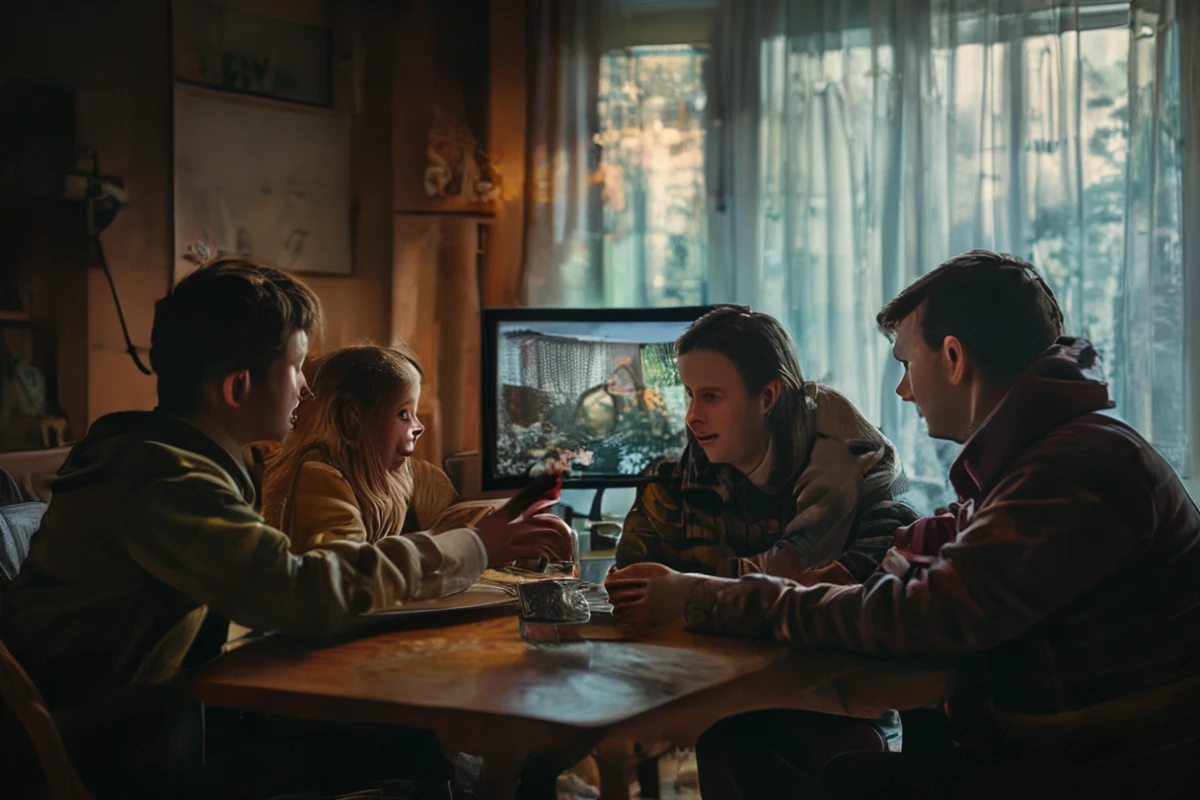
What does it really feel like to live in the shadow of war? A hand grips a cold teacup in a dark room, fingers trembling slightly as they react to a low vibration coming from outside.
Late at night, in a house where the living room lights remain dark, the low hum of an engine and distant, muffled noises seep through the window glass.
Sitting at the kitchen table, a person stares at a news feed on a smartphone, worrying less about the weather and more about whether the electricity will stay on through the night.
As the conflict drags on, social responses have shifted from military strategy to the fundamental mechanics of survival. Recent waves of airstrikes have caused civilian casualties, shaking the very foundations of daily life.
This physical destruction leaves a deep psychological imprint on the population. In a society where anxiety and tension are constant companions, people respond in different ways—some preparing for a grim future, others choosing to ignore reality entirely.
When I first began looking into these regional shifts, I noticed how the most profound changes weren't in the headlines, but in the quiet ways people began stockpiling basic goods or moving to secondary cities. It wasn't just about moving bodies; it was about moving lives.
However, the most significant problems lie far beyond the visible destruction.
| Category | Impact Factor | Social Consequence |
|---|---|---|
| Territorial Change | Expansion or contraction of occupied zones | Shifts in quality of life and sense of belonging |
| Infrastructure Damage | Energy and supply chain disruptions | Challenges to civilian survival and daily routine |
| Demographic Shifts | Population outflow and migration | Loss of social vitality and changing future structures |
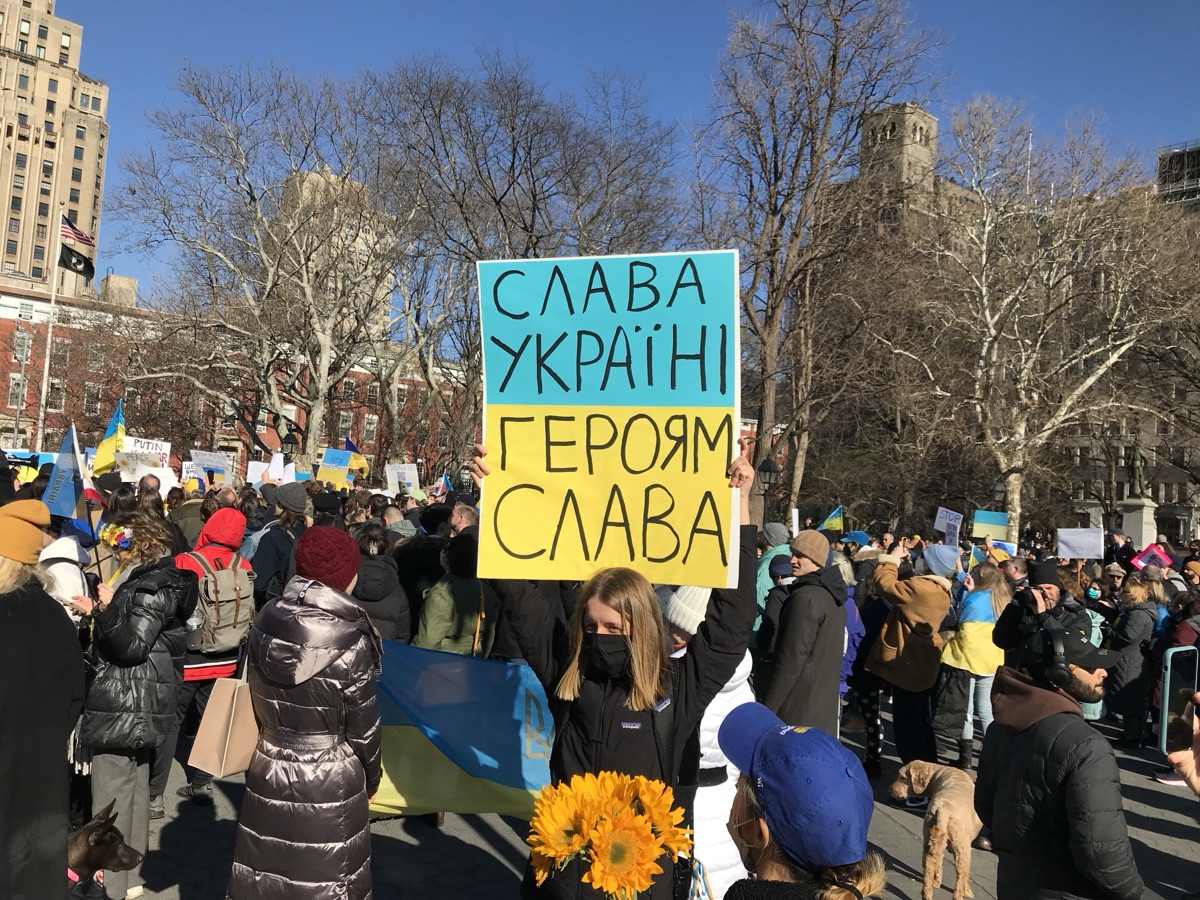
How do shifting frontlines reshape a society?
Whenever a red line moves across a dark map, the people living in its path lose their homes or are forced to face a new, unrecognizable reality. A change on a map is never just a number; it represents the disappearance of a house, a workplace, or a community.
The weight of the conflict is felt differently in occupied versus non-occupied zones, but the burden is heavy everywhere. As of 2024, Russia occupies almost 20% of Ukrainian territory, with an estimated 3 to 3.5 million Ukrainians living under occupation.
Since the invasion began, these occupied territories have lost roughly half of their original population.
Such massive movements of people and shifts in control fundamentally alter social structures. Territorial disputes are not merely military matters; they are complex struggles over identity and the future of the people living on that land. But the secondary effects are often even more violent.
The human element makes these shifts difficult to quantify, but the demographic math is even more daunting.
Can our population sustain the future? An empty playground and silent streets suggest an absence of the next generation, posing a fundamental question about whether a society can survive in the long run. The loss of young people and the casualties of war weaken the very spine of the social structure.
According to a 2024 report for the Atlantic Council, United Nations scenarios project Russia's population in 2100 to be between 74 million and 112 million compared with the current 146 million.
As reported by the All-Russian Center for Public Opinion Research, President Putin's approval rating increased to 71.6% in 2014. According to World Bank data, Russia's high-technology share of manufactured exports was 9.7% in 2021.
War leaves permanent scars on demographic trends. Experts have long warned about the looming demographic catastrophe.
In a 2024 report for the Atlantic Council, Professor Harley Balzer wrote: “United Nations scenarios project Russia's population in 2100 to be between 74 million and 112 million compared with the current 146 million."
These projections are more than just statistics. They signal a massive tide of shrinking labor forces, rising dependency ratios, and declining social vitality. There is a growing fear regarding how the loss of life and the exodus of the young will erode the foundation of future generations.
The human cost also remains a permanent social trauma. The Center for Strategic and International Studies recently published a report which estimates that Russians killed, wounded and missing in the war may total up to 1.2 million, of which 325,000 may have been killed.
But the true scale of change will be seen in how the map evolves.
How do changing borders dictate social responses?
Conflicts arising from moving borders often spill over from physical clashes into deep-seated social strife. For some, reclaiming territory is the priority; for others, integrating into a new reality becomes the struggle for survival.
The impact of the war varies by time and place. Throughout 2023, Russian forces captured an estimated net 487 km2 (188 sq mi) of Ukrainian territory.
In 2024, the frontlines continued to fluctuate, with Russian forces capturing an estimated 4,168 km2 (1,609 sq mi) in both Ukraine and Russia's Kursk Oblast.
These territorial shifts are the key variables in how a society responds. The changing demographic makeup of occupied zones, the collapse of existing systems, and the imposition of new governance reshape regions into entirely different entities.
This leads to a critical question: how can a society endure such massive upheaval?
The variables of social cohesion and the future
The balance between political leadership and social instability is a sensitive element in times of crisis. Even when leadership appears to be strengthening, underlying social shifts are moving beneath the surface.
Compared to the early days of the conflict, social cohesion has become complex. While crises can lead to increased support for a leader, this often masks underlying resistance or suppressed social pressures.
The war functions as a long-term variable that goes beyond short-term political shifts. To understand the trajectory of the region, we must look at these four critical pillars:
- Demographic Transformation: Assess how population loss and migration affect the stability of social systems.
- Economic Sustainability: Analyze the long-term economic crisis triggered by damage to energy and industrial infrastructure.
- Conflict Management: Evaluate the ability to integrate or manage tensions in occupied and border regions.
- International Dynamics: Monitor how external pressures influence internal social policy and public opinion.
Whenever I review these moving parts, I am struck by how much of the future depends on variables that are currently invisible to the naked eye.


Comments 0