89.8% of .ru Sites Use Russian; Mapping Linguistic Reach
"Language is not just a tool for communication; it is the digital and social architecture of a civilization."
The expansion of Russian language education and its pervasive presence across digital and physical borders reveals a complex web of historical legacy and modern influence. This linguistic footprint shapes everything from trade to identity across Eurasia.
Key Takeaways * The deep historical integration of Russian within the post-Soviet space is quantifiable through high digital usage rates across specific domains. * Modern language expansion is a multifaceted phenomenon affecting demographics, regional economics, and cultural identity.
* Fluency rates and usage patterns vary significantly across different post-Soviet states, reflecting diverse levels of integration.

How Deeply is Russian Embedded in the Post-Soviet Digital and Physical Space?
At 11:00 PM in a darkened bedroom, a developer in Almaty stares at a glowing monitor, navigating a web of Russian-language forums and technical documentation to solve a coding error. This digital immersion is not just a coincidence but a reflection of established web infrastructure.
According to the Soviet Union, Russian was used on 88.7% of sites with the former Soviet Union domain .su.
The digital presence of the Russian language is massive, serving as a primary medium for information exchange across much of Eurasia. On the internet, Russian was used on 89.8% of .ru sites, and it was also used on 88.7% of sites with the former Soviet Union domain .su.
This high concentration shows that the language acts as a digital lingua franca for a vast portion of the regional web.
While these numbers show a high level of digital saturation, the reality on the ground can differ. In many regions, the digital dominance of the language contrasts with shifting demographic realities and local identity movements.
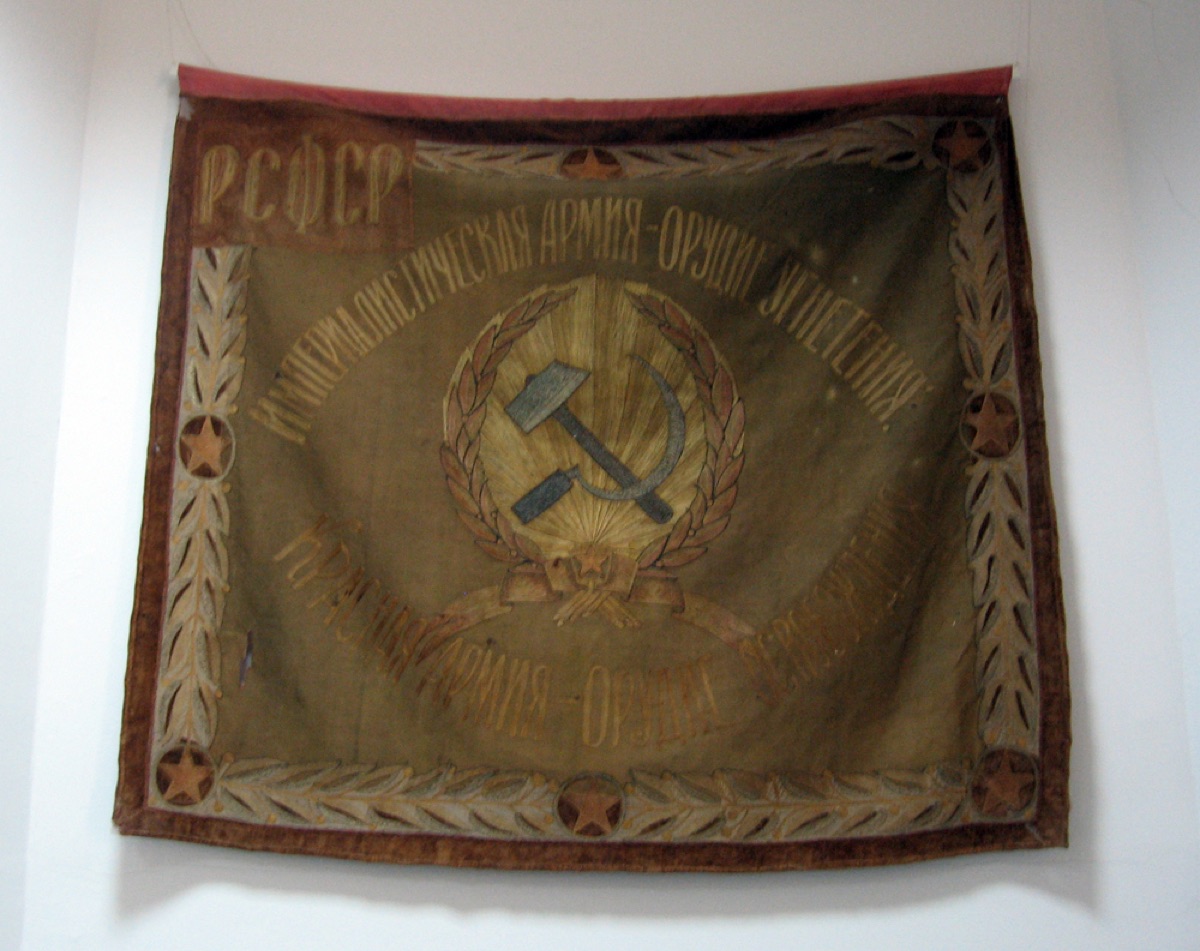
How is Russian actually used across former Soviet states? A traveler stands at a busy transit hub in Tashkent, noticing that while the announcements are in Uzbek, the digital kiosks and business documents often switch seamlessly to Russian. This duality defines the linguistic landscape of the former Soviet republics.
The usage of Russian remains high across many former Soviet member states, though the intensity varies by country. For instance, 86.9% of sites in Belarus use the language, and 84.0% of sites in Kazakhstan do as well. In Tajikistan, the rate is 81.8%, while Uzbekistan shows 79.6% usage.
The data reveals a spectrum of linguistic integration. In Ukraine, 79.0% of sites use Russian, and in Kyrgyzstan, 75.9% of sites utilize it. This contrasts sharply with the Baltic states, where different linguistic policies and historical shifts have created a much different environment.
| Country | Percentage of Russian Language Usage on Websites |
|---|---|
| Belarus | 86.9% |
| Kazakhstan | 84.0% |
| Tajikistan | 81.8% |
| Uzbekistan | 79.6% |
| Ukraine | 79.0% |
| Kyrgyzstan | 75.9% |
But while the digital and regional data suggests a unified linguistic block, the human element adds a layer of complexity.
How does Russian shape modern identity and demographics? An elderly resident in a Moscow apartment sits at a wooden kitchen table, speaking Russian to a grandchild while they look at a tablet together, passing down a linguistic tradition that has shaped their family's identity for generations.
This intersection of age, family, and work makes language a cornerstone of social cohesion.
Within Russia itself, the language is central to both national identity and daily life. According to the World Bank, Russia recorded a total population of 143,513,328 in 2025. This massive population base ensures that the language remains a dominant force in global demographic discussions.
The usage context often shifts between formal work environments and casual family settings. While proficiency levels might vary among different age groups, the language remains a primary tool for social and professional interaction.
However, the ease of communication masks the significant effort required to actually master the language.
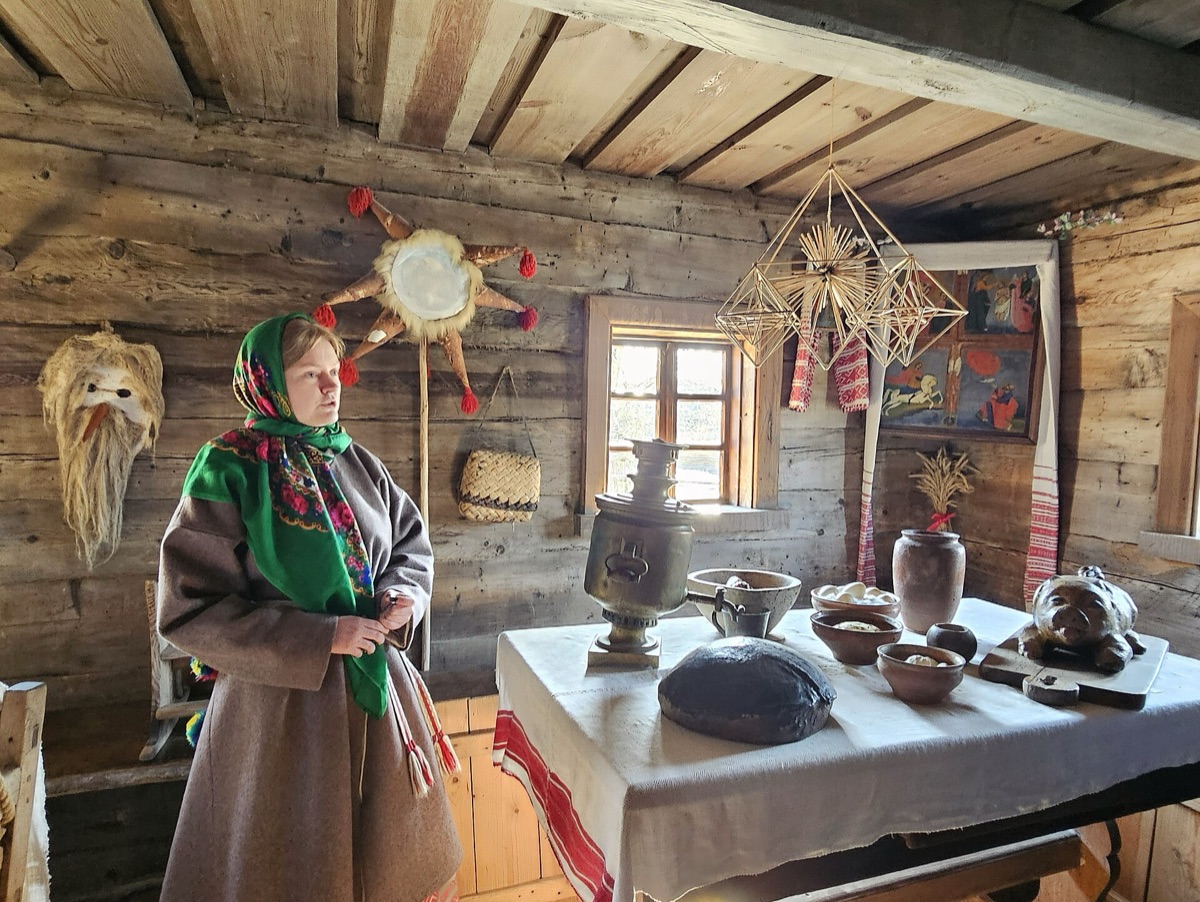
What is the Learning Curve: Acquiring Russian as a Foreign Language?
A student in a quiet corner of a California coffee shop opens a thick textbook, looking at the complex grammar rules and wondering how many hours of study it will take to finally understand a native speaker.
The challenge of mastering a new alphabet and grammar system is a common hurdle for learners.
For native English speakers, Russian is classified as a level III language in terms of learning difficulty. This classification means it is more challenging than many Romance languages but more accessible than certain East Asian languages.
When I first attempted to learn the Cyrillic script, I found that the mental shift from Latin characters to a new phonetic system was the most jarring hurdle. It felt like learning to see in a different way altogether.
To move from basic literacy to functional use, a structured approach is necessary.
- Master the Cyrillic Alphabet: The first step is moving beyond phonetic reading to true literacy.
- Grammar Foundation: Understanding cases and verb aspects is essential for sentence structure.
- Vocabulary Expansion: Building a base of common words to understand daily dialogue.
- Immersion: Engaging in listening and speaking exercises to reach intermediate levels.
It is important to note that language learning is not a linear path. Success depends heavily on the learner's existing linguistic background and the time they can dedicate to consistent practice.
Beyond Language: The Broader Economic and Geopolitical Footprint
A diplomat reviews a trade agreement in a quiet office, noting that the technical terms are often negotiated in Russian to ensure clarity between partners. This shows how language acts as a bridge for high-stakes international cooperation.
The Center estimates that the value of equipment acquired by Caracas from the Russian defence industry is $4.4 billion.
The economic dimensions of language are often tied to defense and heavy industry. For example, the Center for Analysis of the World Arms Trade estimates the value of equipment acquired by Caracas from the Russian defense industry at $4.4 billion.
Such high-value transactions often rely on a shared linguistic understanding to manage technical specifications and logistics.
While language is a tool for trade, its role in geopolitics is often viewed through the lens of influence. The ability to communicate across borders facilitates economic ties, but it also remains a point of discussion in regional political shifts.
FAQ
How widespread is Russian online? The language has a massive digital footprint, appearing on 89.8% of .ru domains and 88.7% of .su domains.
How proficient is the population in Russia? With a 2025 population of over 143 million, the language is deeply integrated into the daily lives, work, and digital activities of the population.
How difficult is Russian to learn? It is classified as a level III language for English speakers, requiring significant time and immersion to reach intermediate fluency.




Comments 0