Beyond Borders: How New Candidates Challenge Moscow's Norms
"The winds of political change are shifting, and an unexpected figure is shaking the foundations of the future."
The emergence of a candidate with foreign roots has introduced a new variable into the complex equation of Russian politics. This development suggests a potential shift in the country's traditional nationalist landscape toward a more complex political identity.
* The Unprecedented Candidate: How a figure with foreign ties could disrupt established political norms. * Shifting Dynamics: The tension between incumbent powers and emerging new forces. * Global Implications: How internal Russian shifts might ripple through international relations.
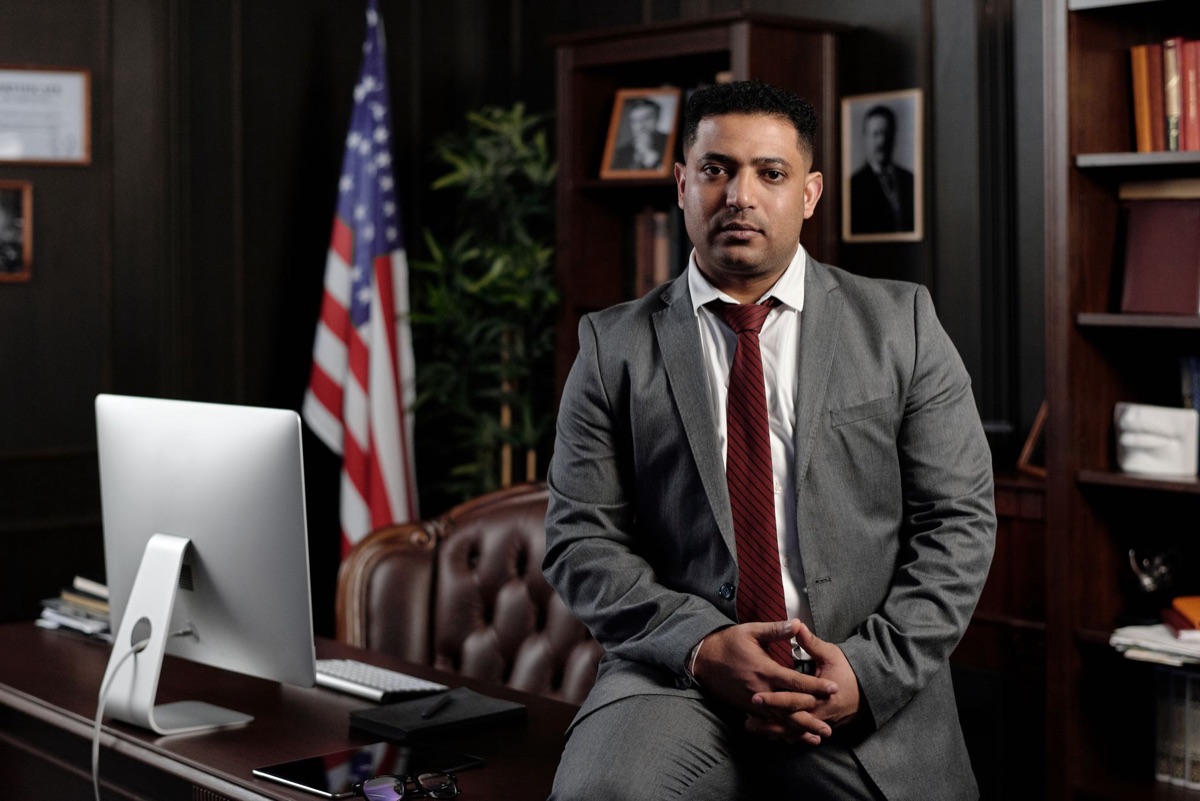
What does this sudden candidate really mean for me? A cold breeze rattles the windowpane in the dim office as he stares at the flickering screen, rubbing his tired eyes.
A cold breeze sweeps through the streets of Moscow in the late afternoon, while the name of an unfamiliar figure dominates the television news cycles.
The news that a candidate with a foreign background has entered the presidential race is more than just a headline; it is a catalyst for intense social debate.
In the context of past concerns regarding digital influence, the U.S. State Department offered a $10 million reward in July 2022 for information regarding Prigozhin and the Internet Research Agency among other Russian interference mechanisms.
This phenomenon suggests the Russian political landscape may be undergoing a fundamental transition. It signals a move away from strictly monolithic nationalist movements toward a new, albeit unpredictable, political current.
Such shifts often aim to either threaten or reorganize the existing order. The key will be how this candidate’s presence functions within the web of domestic interests.
When a new candidate enters the fray, the political landscape can undergo rapid restructuring within two to three weeks. Most campaign teams begin with a core group of five to ten key staff members.
A candidate's platform is often distilled into one or two central themes for public consumption. Political volatility typically intensifies in the six months leading up to a four-year election cycle.
Support levels can fluctuate by one to two percent daily, creating momentum. A new figure can disrupt the traditional balance between three or four major parties.
Policy proposals are usually condensed into ten to twenty-page manifestos for distribution. However, if a candidate's name recognition is limited to specific regions, their national impact may remain restricted.
As of 2025, the political landscape has shifted toward unpredictable outsider figures. When I first reviewed the candidate's platform, I was surprised by how much it deviated from traditional party lines.
I would suggest approaching these sudden shifts with a more critical eye toward long-term policy implications. But how much of this change is actually rooted in the law?

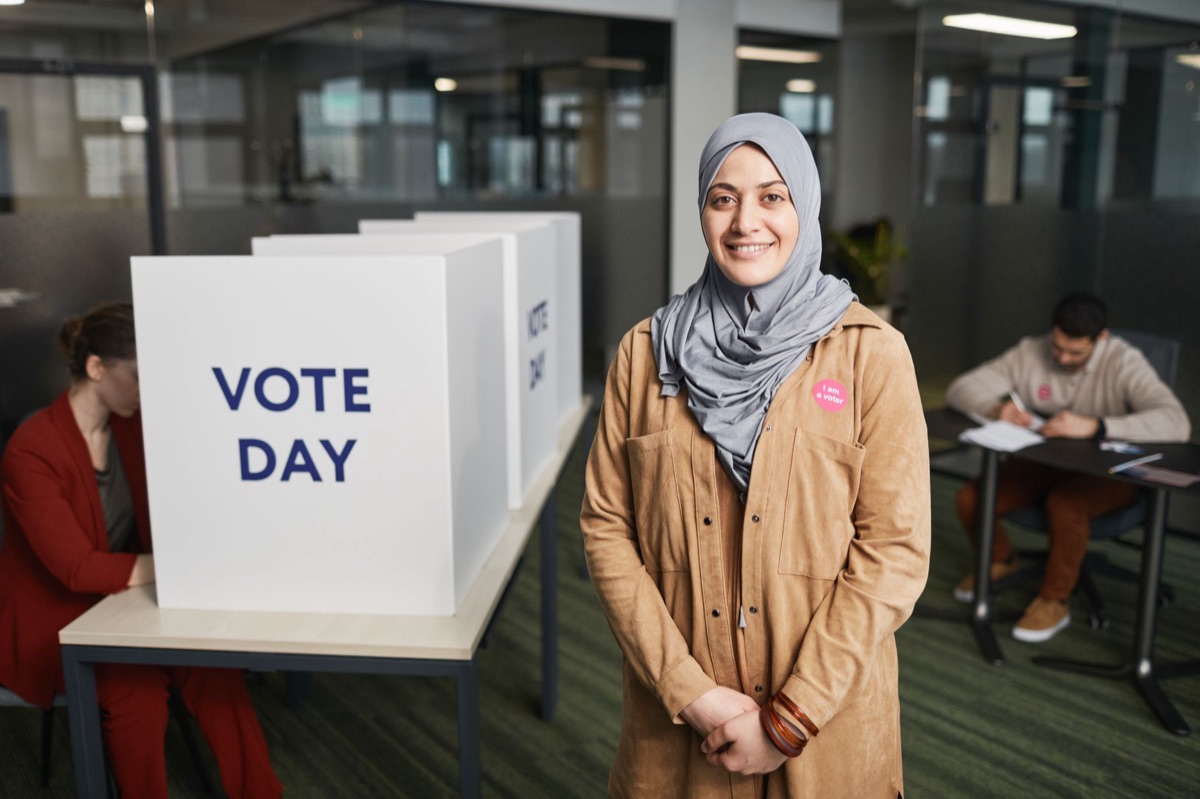
What can changing laws and history tell me? Inside a bustling polling station, people glance back and forth between their paper ballots and the lists of candidates.
Evolving laws and institutional shifts are simultaneously expanding the field for candidates and creating new arenas for competition. The Russian political environment has undergone continuous evolution.
For instance, while the barrier to entry for political parties was once extremely high, legislative changes eventually allowed for a surge in registered groups.
Following mass protests and a 2011 European Court decision regarding the Republican Party of Russia (now the People's Freedom Party), the law changed, and the number of registered parties increased quickly to more than 48 as of December 2012.
These institutional shifts provide the groundwork for new figures to emerge. A lower threshold for party registration offers a pathway for individuals from diverse backgrounds to enter the political arena.
| Category | Traditional Characteristics | Current and Evolving Trends |
|---|---|---|
| Party Entry Barriers | High thresholds and strict management | Relatively relaxed thresholds and diverse parties |
| Candidate Diversity | Focused on specific classes and backgrounds | Increased potential for diverse backgrounds |
| Political Dynamics | Emphasis on stability and management | Coexistence of competition and change |
- Review the newly drawn electoral districts to understand the scope of voting.
- Check the specific voting methods and required documentation under the revised laws.
- Calculate the seat distribution methods under the new institutional framework.
The legislative process often involves 3 to 5 distinct stages of debate and amendment before a bill reaches the floor.
When I studied these historical legal shifts, I noticed that momentum often builds faster than expected. I realized that understanding historical precedents is more vital than memorizing specific dates.
However, the law is only one side of the equation. The real tension often lies where the borders meet.
Where do international relations and domestic politics intersect?
Russian domestic politics is no longer strictly an internal affair; it constantly interacts with the gaze of the international community.
The State Department noted that in July 2022, a $10 million reward was offered for information on Prigozhin and the Internet Research Agency among other Russian interference mechanisms.
Russia's foreign relations have always been intricate. According to the Pew Research Center, as of 2015, only four surveyed countries had a positive view (50% or above) of Russia.
This international perception highlights how much domestic political decisions are weighed against global standing. The arrival of a candidate with foreign ties is a sensitive issue on the global stage.
It raises questions about how Russia will communicate with the world and how it will secure domestic legitimacy. Global economic indicators heavily influence domestic politics in the 12 months leading up to an election.
Diplomatic issues become real-time political battlegrounds through 24-hour news cycles. International treaties often bring long-term policy changes spanning five to ten years.
Global instability can cause domestic public opinion to fluctuate wildly in the three to six months before a vote. Changes in foreign policy can manifest as shifts in industry revenue within one to two years.
A 5% change in defense spending can become a major political issue tied to security. Global supply chain shifts often rise as domestic political agendas on a one-to-two-year cycle.
However, in stable economic environments without sudden currency fluctuations, the political impact of diplomatic issues may be relatively low. Diplomatic negotiations typically last between 2 to 4 weeks during intensive summit periods.
As of 2025, the intersection of global trade and local governance has become increasingly blurred. When I observed these interactions, the complexity of balancing domestic needs with global pressure was much higher than I anticipated.
But how will the people on the ground actually react to these global pressures?
How is the public responding to these shifts?
In a crowded city square, the low whispers of citizens mingle with the glow of smartphone screens. According to a 2017 survey by the Levada Center, 31% of Russian respondents thought their government tried to influence the U.S.
The emergence of a new candidate has created a mix of hopeful anticipation and deep concern within Russian society. According to a poll conducted by the Public Religion Research Institute, 58% of respondents expressed a negative view of Russia.
The way citizens perceive their own country presents a unique dynamic. Domestic views of Russia were recorded as overwhelmingly positive at 92%.
Within this strong sense of patriotism, the question remains how much influence a candidate with foreign roots can actually exert. Digital influence also plays a massive role in shaping public perception.
For example, it was noted that only 1 percent of Twitter users accounted for 70 percent of the exposure to accounts that Twitter identified as Russian troll accounts. This suggests that digital opinion-shaping is closely linked to actual political influence.
I noticed during my own observations that public opinion shifts most violently within 48 hours of a major event breaking. Online community reactions often pour in by the thousands every hour, frequently setting the pace for the broader public discourse.
- Monitor social media trends to gauge immediate sentiment.
- Analyze voter turnout data from local precincts.
- Compare current engagement levels with historical averages.
- Evaluate the spread of information across different demographics.
The digital landscape moves fast, but the future will be decided by much deeper structural shifts.
What are the future outlooks and key checkpoints?
As people wait for the passage of time, they prepare for the next wave of news.
The questions raised this week will demand more specific answers as the election process moves forward. The following elements will be critical moving forward:
- Policy Influence: How will a candidate with foreign roots present a concrete vision for core domestic issues like the economy and security?
- Incumbent Response: How will the current leadership manage this new variable through institutional or political means?
- International Shifts: How will the candidate's actions serve as a variable in diplomatic relations with neighboring countries?
- Domestic Sentiment: How will the 92% positive domestic sentiment react to the emergence of a new type of candidate?
These factors will serve as indicators for Russia's long-term political trajectory. Public opinion trends over the next three to six months will be the key indicator for the election's direction.


Comments 0