How did historical ties influence the groundwork for change?
"The canvas of history often shifts when borders do, leaving nothing untouched but the legacy of the past."
The evolution of Russian art in response to conflict reflects a deep-seated tension between historical ties and sudden geopolitical shifts. This analysis examines how changing political realities influence creative expression and social responses.
Key takeaways include the transition from cordial relations to active conflict, the impact of legislative shifts on regional stability, and the suddenness of armed movements in the Donbas.
How did historical ties influence the groundwork for change?
A quiet room in a museum holds the weight of decades of diplomatic history. After the dissolution of the Soviet Union in 1991, Russia and Ukraine maintained cordial relations. This period of stability provided a backdrop for cultural exchanges that were once seamless.
The transition from the Soviet era to independent states allowed for a new kind of artistic dialogue. For years, these shared histories shaped the aesthetic values of the region. This stability meant that the artistic expressions were not yet defined by the friction of active warfare.
The relationship between these nations was not always defined by conflict. According to Wikipedia, after the dissolution of the Soviet Union in 1991, Russia and Ukraine maintained cordial relations. This era of diplomacy allowed for a different kind of creative engagement.
What legislative shifts signaled a change in direction? War art in Russian culture
As the gavel struck the wooden desk at dusk, a sudden chill ran down my spine, signaling that the legislative shifts were rewriting our historical path.
A gavel strikes a wooden desk in a silent parliament chamber. In 2013, Ukraine's parliament approved finalising the European Union–Ukraine Association Agreement. This specific legislative move marked a significant pivot in political alignment.
Such decisions often act as a catalyst for changing social and cultural dynamics. The movement toward European integration created a new set of values and influences within the region. This shift began to alter the trajectory of political and artistic discourse.
The decision made in 2013 set the stage for future tensions. According to Wikipedia, in 2013, Ukraine's parliament approved finalising the European Union–Ukraine Association Agreement. This moment became a turning point for regional relations.
How did sudden conflict manifest in the social landscape?
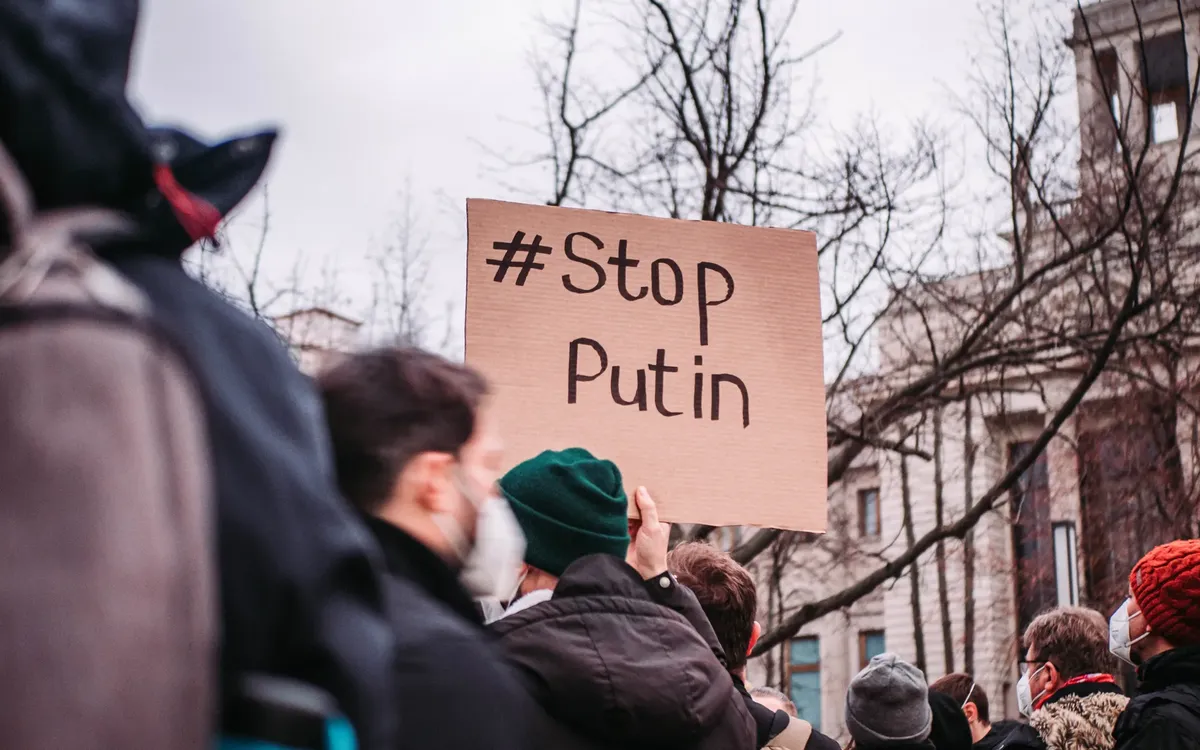
Masked figures move through the shadows of a city street during a period of unrest. On 6 April 2014, hundreds of masked men stormed and seized weapons from the Security Service buildings in the cities of Donetsk and Luhansk. This sudden eruption of violence changed the social reality overnight.
The presence of armed groups introduced a violent new theme into the public consciousness. Such events disrupt the continuity of peaceful expression and force a confrontation with reality. The suddenness of these actions left an indelible mark on the local population.
The takeover of security buildings was a defining moment of instability. According to Wikipedia, on 6 April 2014, hundreds of masked men stormed and seized weapons from the Security Service buildings in the cities of Donetsk and Luhansk. This event signaled the onset of active conflict.
What are the patterns of Russian war art trends?
An artist stares at a blank canvas, contemplating the heavy themes of modern history. Russian war art trends often reflect the immediate realities of geopolitical shifts. When conflict disrupts stability, the focus of creative work shifts from abstract beauty to the starkness of survival.
These trends are often reactive to the sudden movements of political power. Artists may find themselves documenting the transition from peace to volatility. The influence of such events can change the subject matter of an entire generation.
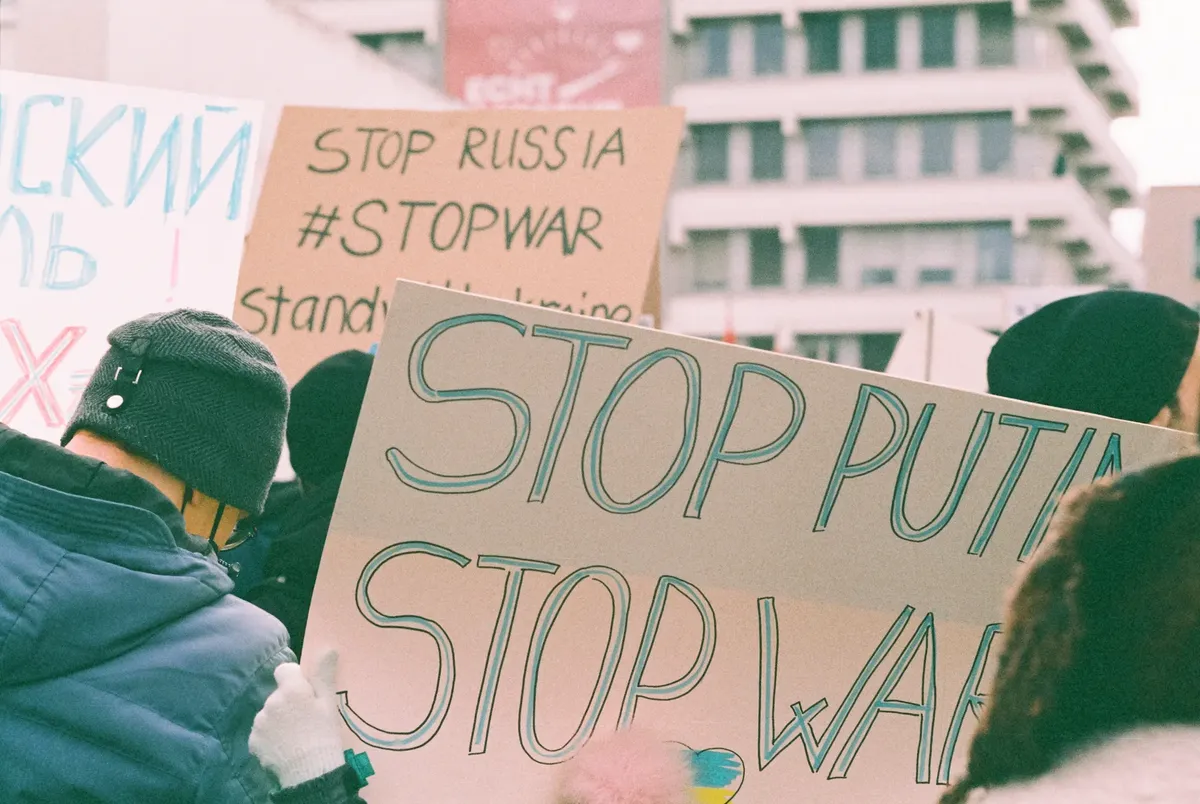
The evolution of war art is often tied to the breakdown of previous agreements. As political landscapes fracture, the art produced within those landscapes reflects the fragmentation. This process of change is often abrupt and difficult to navigate.
How do artists and conflict art interact in changing times?
A brush strokes a heavy line across a textured surface. Artists and conflict art often become intertwined as creators attempt to process the chaos of war. The tension between personal expression and political reality becomes a central theme in much of the work.
This interaction can lead to new styles that capture the feeling of instability. The shift from the diplomatic era to the era of conflict creates a sharp contrast in artistic output. This evolution is a direct response to the changing world.
The way creators engage with conflict can define their legacy. When the stability of the 1990s gave way to modern tensions, the creative focus shifted. This shift serves as a visual record of a changing world.
What are the implications of modern Russian war art?
A quiet gallery space holds the echoes of a turbulent era. Modern Russian war art serves as a reflection of the complex relationship between state and individual. The themes of identity, territory, and loss become increasingly prominent.
These works often grapple with the suddenness of historical shifts. The transition from the cordial relations of the post-Soviet era to active conflict creates a profound sense of dissonance. This dissonance is frequently captured in the visual language of the time.
The study of these themes provides insight into the social psyche during times of transition. While the history of these relations is documented, the emotional depth of the art remains a subject of ongoing observation.
The lack of direct data on artistic output limits the ability to quantify these shifts.
- How did historical ties influence the groundwork for change?
- What legislative shifts signaled a change in direction?
- How did sudden conflict manifest in the social landscape?
The subject here is War art in Russian culture.
The same subject is also called Artistic change war.
The same subject is also called War themes in art.
This part also covers Social reaction to war art.
Related

Comments 0