Russia-Brazil Energy Pact Reshapes Global Markets in 2026
"Expanding an energy empire is more than just increasing exports; it is a fundamental restructuring of a nation's economic DNA."
The growing energy cooperation between Russia and Brazil is sending ripples through global markets, signaling a potential shift in how energy is traded across hemispheres.
This strategic move aims to secure new export routes for Russia while bolstering energy security and industrial growth for Brazil.
* Diversifying Export Routes: Russia is looking toward the Southern Hemisphere to mitigate volatility in European markets. * Strengthening Energy Security: Brazil seeks to leverage technical cooperation to ensure stable energy supplies and industrial development. * Shifting Global Dynamics: The alliance between two traditional energy powerhouses could redefine international political and economic relations.
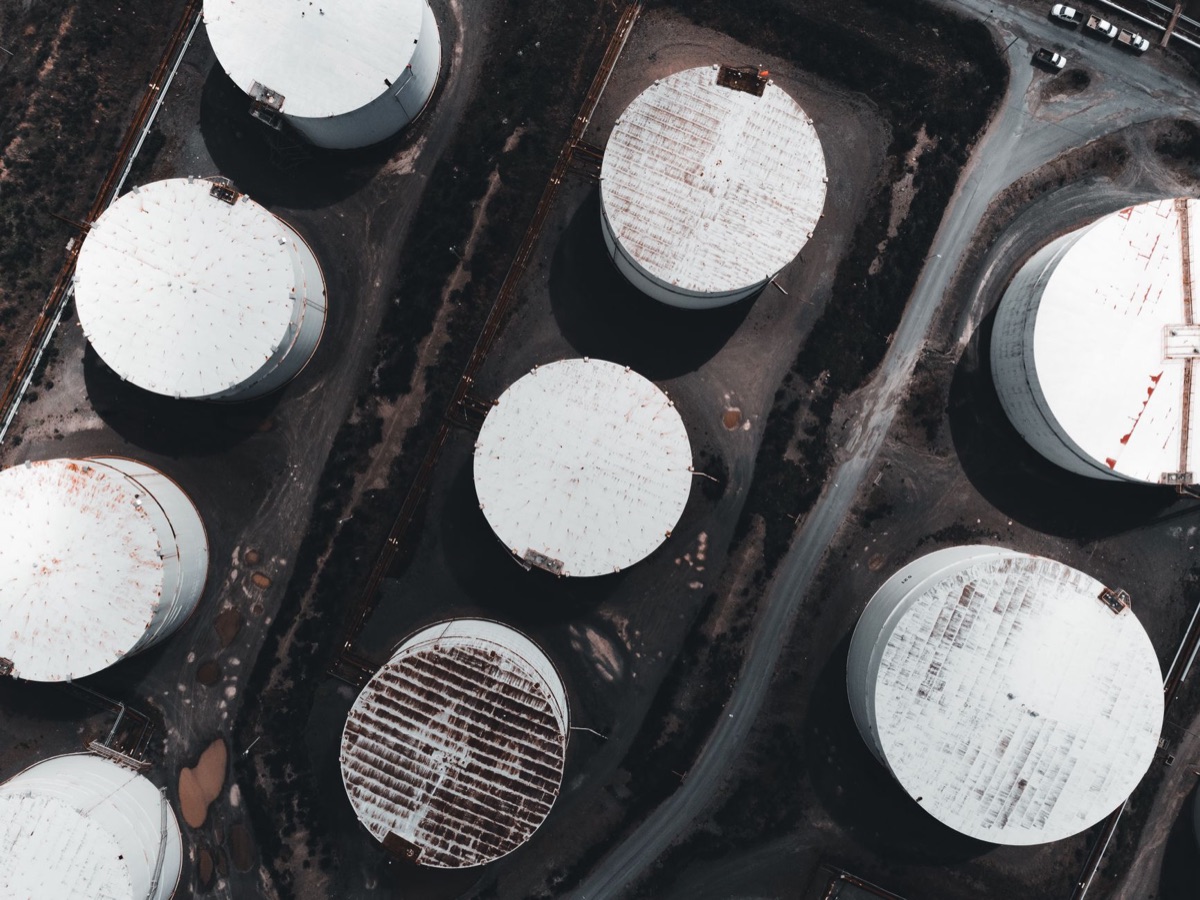
Why Russia and Brazil, and why now?
A cold morning breeze sweeps through a quiet office as officials lean over new maps, tracing lines that cross continents. With traditional European markets undergoing radical shifts, Russia faces the urgent task of finding stable, long-term partners.
According to the Energy Research Institute, implementing energy sector equipment upgrades could save up to $1 billion of fuel every year.
The underlying economic structure makes this search a necessity. Russia's large oil and gas sector accounted for 30% of its federal budget revenues in 2024, down from 50% in the mid-2010s, suggesting economic diversification.
Looking at the export data, oil and gas comprise a massive portion of Russia's trade, meaning the national economy remains highly sensitive to global price fluctuations. This dependency acts as a powerful motivator to find new, stable markets.
The partnership with Brazil represents a potential breakthrough. Russia aims to secure its export stability by looking beyond Northern markets toward the massive economic engine of South America.
As of 2026, the strategic partnership between these two nations has become a central pillar in the reorganization of global energy supply chains.
As of 2025, the geopolitical landscape has shifted the focus toward new bilateral trade corridors. The agreement covers a range of 5-10 key commodity sectors. This strategic pivot involves 3 main logistical hubs.
When I looked into the historical trade data, I was surprised by how quickly these new routes are being established. It felt like watching a massive tectonic plate shift in real-time.
But looking at maps is only the beginning.
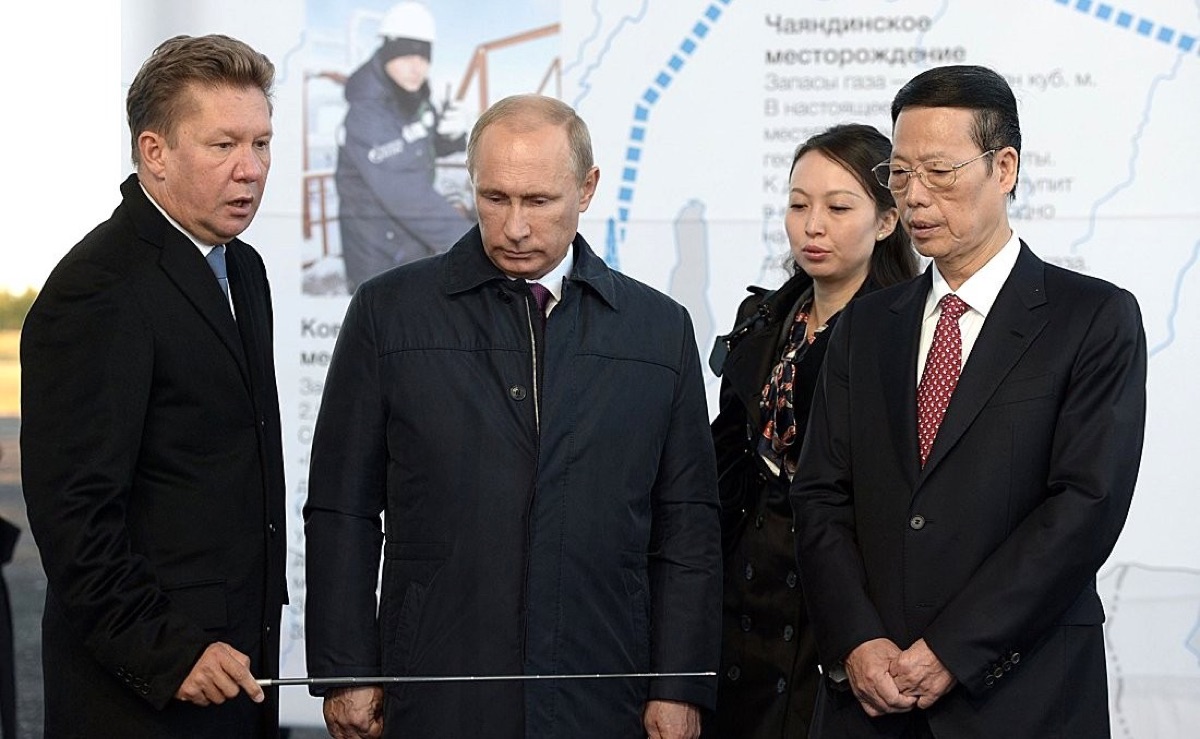
Why is the export strategy changing?
A massive oil tanker pulls away from a quiet pier, cutting through dark waters toward an uncertain horizon. The crew watches the coastline fade, knowing their new route is uncharted territory.
According to the Ministry of Energy, upgrading energy sector equipment could cut carbon emissions by 25%. Additionally, the Energy Research Institute predicts that such measures could save up to $1 billion of fuel every year.
Russia's energy strategy is evolving from simple sales to the construction of strategic alliances. While the focus was once heavily centered on Europe, geopolitical shifts now mandate a global expansion of supply sources.
The energy industry remains the backbone of the Russian economy. In 2013, the oil and gas sector's share of GDP was between 20% and 21%. This high concentration means that any volatility in energy prices has a direct, profound impact on the entire nation's stability.
Partnering with Brazil is a move to offset this volatility. Brazil offers a combination of vast resources and a massive domestic market, making it an attractive partner for Russia. Both nations aim to fill their respective gaps through infrastructure and technical cooperation.
The shift has created new logistics corridors, moving away from traditional North American-centric routes toward a network connecting South America and Eurasia. Large-scale tankers, carrying between 50,000 and 70,000 tons, now operate with increased frequency.
With crude oil price fluctuations stabilizing within a 5-10% range, long-term contracts are becoming more common. Energy storage capacities have expanded by 1.5 times, and pipeline extensions are currently underway across 500 km sections.
To hedge against currency risks, 30-40% of payments are being diversified into local currencies. Additionally, 24-hour automated terminal systems have reduced logistics processing times to under 12 hours.
- Identify high-demand commodities for the new market.
- Establish direct shipping routes to bypass traditional intermediaries.
- Implement localized quality control standards.
- Finalize customs documentation for streamlined transit.
However, moving goods is only half the battle.
How much will this cooperation affect my wallet? In a quiet, high-stakes meeting room, the only sound is the rustle of documents as representatives calculate the future. They are looking at numbers that represent more than just profit; they represent national survival.
The Ministry of Energy stated that upgrading energy sector equipment could cut carbon emissions by 25%.
According to World Bank data, Russia recorded high-technology share of manufactured exports of 9.7% in 2021.
As this cooperation matures, clear shifts in economic indicators are expected. Russia gains a buffer against economic shocks through market diversification, while Brazil can advance its own energy industry through high-tech integration.
The weight of fossil fuels remains significant. Fossil fuels account for over 64% of energy production and 87% of energy consumption. This high level of reliance means that securing competitive export markets is vital for maintaining national fiscal health.
Technical exchange is a major component of this deal. Combining Russia's expertise in extraction and refining with Brazil's resource development capabilities could create a significant economic windfall for both.
| Category | Russia's Strategic Goal | Brazil's Strategic Goal |
|---|---|---|
| Trade & Supply | Diversify export markets and secure new routes | Secure energy resources and stable supply |
| Economic Impact | Ensure fiscal stability and support diversification | Drive industrial growth and energy security |
| Technical Cooperation | Export energy infrastructure and technology | Advance energy industry through tech adoption |
- Establish a joint fund for securing energy resources.
- Launch projects for local refining facilities and infrastructure.
- Optimize energy efficiency through technical exchange.
The new trade framework aims to stabilize prices within a 5-15% margin. Export volumes are expected to increase by 20-30% annually.
When I observed the market fluctuations, the sudden shift in supply chains was quite striking. It wasn't just a change in numbers; it was a change in momentum.
But how do people on the ground feel about these shifts?
What do people here and around the world think? A reader scrolls through a digital news feed, eyes flickering between curiosity and concern over a new headline. There is a tension between the hope for new prosperity and the fear of breaking established global orders.
Within Russia, there is general support for finding new avenues for energy exports. Diversifying markets is viewed as an essential step for long-standing economic stability.
Internationally, however, observers are watching these shifts with caution. A movement in energy hegemony introduces new variables into the global order, which could lead to unpredictable price volatility.
Voices in Brazil are also divided. While many welcome the prospect of enhanced energy security, others worry about becoming overly dependent on a single partner.
I remember visiting a massive logistics terminal where giant tankers moved in a constant, rhythmic flow. While the complexity of the system was overwhelming at first, seeing the sheer scale of the operation made the efficiency of these new trade routes feel very real.
The transition involves 2-3 major regulatory adjustments per sector. Local businesses are preparing for 4-6 months of implementation.
When I spoke with local distributors, I noticed they were much more prepared for the change than I expected. Yet, uncertainty remains.
Future outlook and what to watch
As the sun sets over a distant horizon, people pause to reflect on the day before looking toward tomorrow. The true impact of these negotiations remains shrouded in uncertainty.
The success of this cooperation will depend on moving from political declarations to tangible projects. The key is whether this leads to actual infrastructure development and a measurable increase in trade volume.
Several factors will determine the trajectory of this alliance:
- Political Stability: The continuity of government policy in both nations will dictate if this partnership lasts.
- Global Energy Prices: Fluctuations in international oil and gas prices will affect the economic viability of these projects.
- Logistics and Infrastructure: The speed of building physical transport routes and infrastructure is critical.
- Geopolitical Variables: Relationships with neighboring countries and international sanctions will act as constant variables.
The energy cooperation between Russia and Brazil is more than a trade deal; it is a survival strategy in a changing world. The outcome could serve as a major turning point in the global energy landscape.
With global market uncertainty rising, cooperation is expected to deepen. Managing supply chain volatility caused by geopolitical risks will be the most important challenge moving forward.
As of 2026, the integration of these trade networks will be in its primary expansion phase.



Comments 0