Russian passport evolution: 5 administrative shifts guide
"The transition from the red books of the Soviet era to the modern biometric documents of today represents more than just a change in paper; it reflects the complete restructuring of national identity and administrative control."
Key takeaways: 1. Soviet internal passports remained in use until 1997 following the 1991 dissolution. * 2. Document features, such as child photography for specific travel, underwent regulation changes in 2004.
How did the transition from Soviet to Russian passports occur?
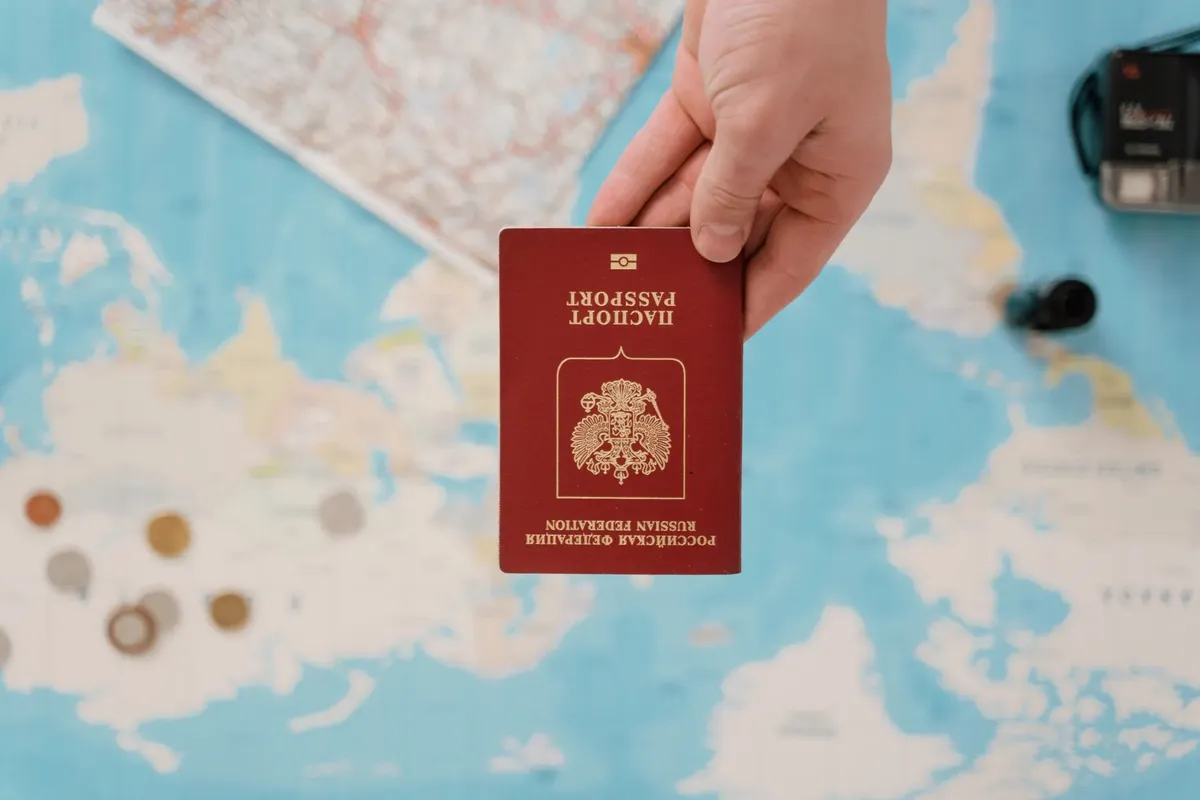
At dusk, I traced the peeling cover of my old booklet while waiting in the cold queue for my new russian document.
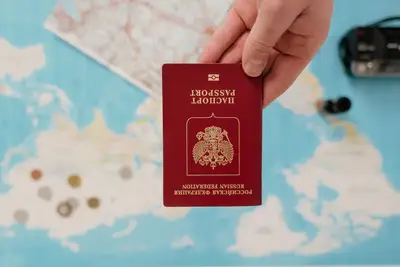
According to the Soviet Union, Soviet passports with the symbols of the Soviet Union were issued to citizens of the Russian Federation until the end of 1997, to be replaced by machine-readable Russian passports.
Soviet passports with the symbols of the Soviet Union were issued to citizens of the Russian Federation until the end of 1997, to be replaced by machine-readable Russian passports. This period of overlap ensured that the population maintained legal identity during the transition to new statehood.
What administrative changes shaped passport issuance? Russian passport evolution
At noon in the crowded office, I felt the heavy weight of the new russian regulations while signing the fresh forms.
An official sits behind a desk, processing stacks of identity documents while new government departments are established.
The management of identity documents underwent several structural shifts over the decades.
On 5 April 2016, by presidential decree, the Federal Migration Service was abolished and its functions and powers were transferred to the Main Directorate for Migration Affairs of the Ministry of Internal Affairs of the Russian Federation.
These shifts reflect the changing landscape of state bureaucracy and migration management.
How did document features change for travelers?
A family prepares for a trip, checking the pages of their documents to ensure all necessary information is present for their journey.
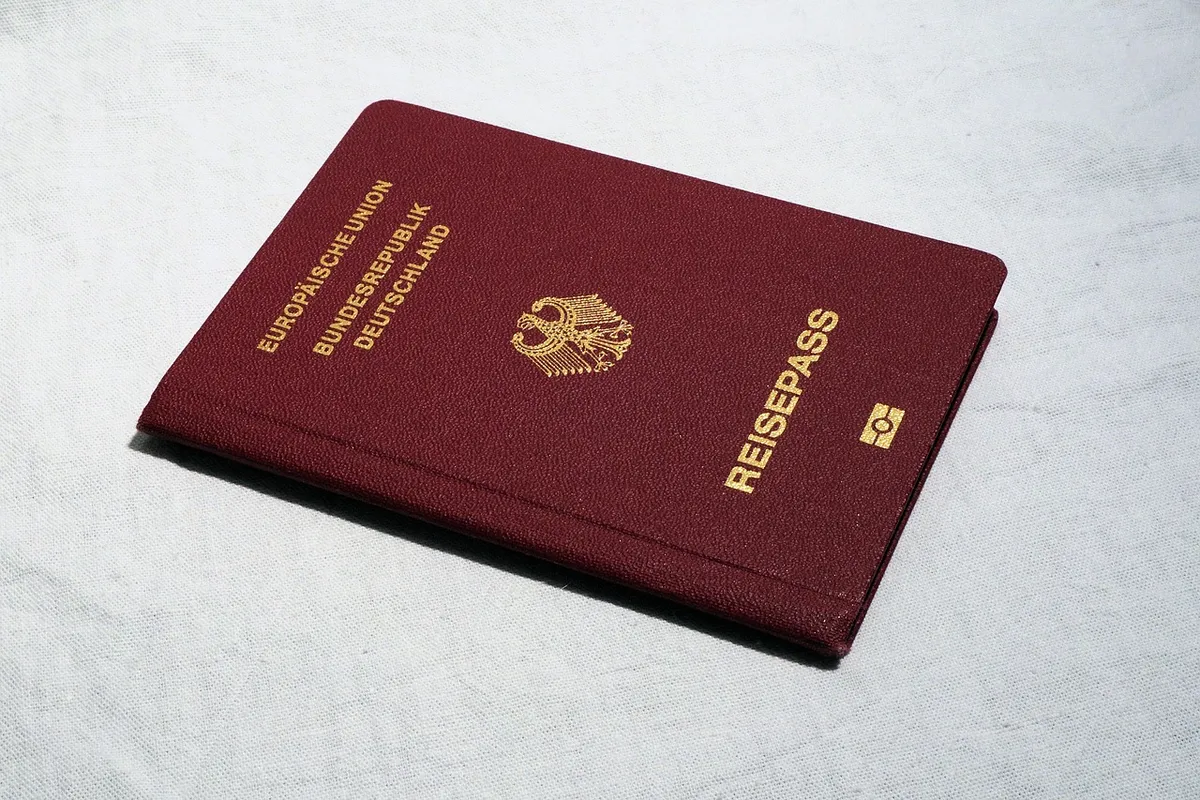
Until December 31, 2004, in order to ensure visa-free travel to the Kaliningrad region without a foreign passport, photographs of children under the age of 14 were also pasted on the twelfth page – citizens of the Russian Federation.
The internal passport serves various functional purposes beyond simple identification.
Page 18 is intended for making notes about the blood type, Rh factor and TIN of the passport holder, as well as for obtaining the main document proving the identity of a citizen of the Russian Federation outside the Russian Federation.
These specific pages allow for critical personal data to be recorded within the document.
What are the rules for replacing an identity document?
A person reaches a milestone birthday and realizes they must visit a government office to update their identification. Upon reaching the age of 20 or 45, the passport must be replaced within 90 days after the person's birthday.
The process for maintaining a valid identity involves specific timing and administrative steps: 1. Identify the need for replacement based on age milestones (20 or 45). 2. Prepare the necessary documentation for the new issuance. 3.
Submit the request to the competent authority within the 90-day window.
One must also ensure that the new document is obtained promptly to avoid issues with legal identity. I remember checking my own documents to ensure the timing of my replacement was correct.
What happens when citizenship status changes?
A citizen prepares to surrender their documents when moving or changing their legal status within the state.
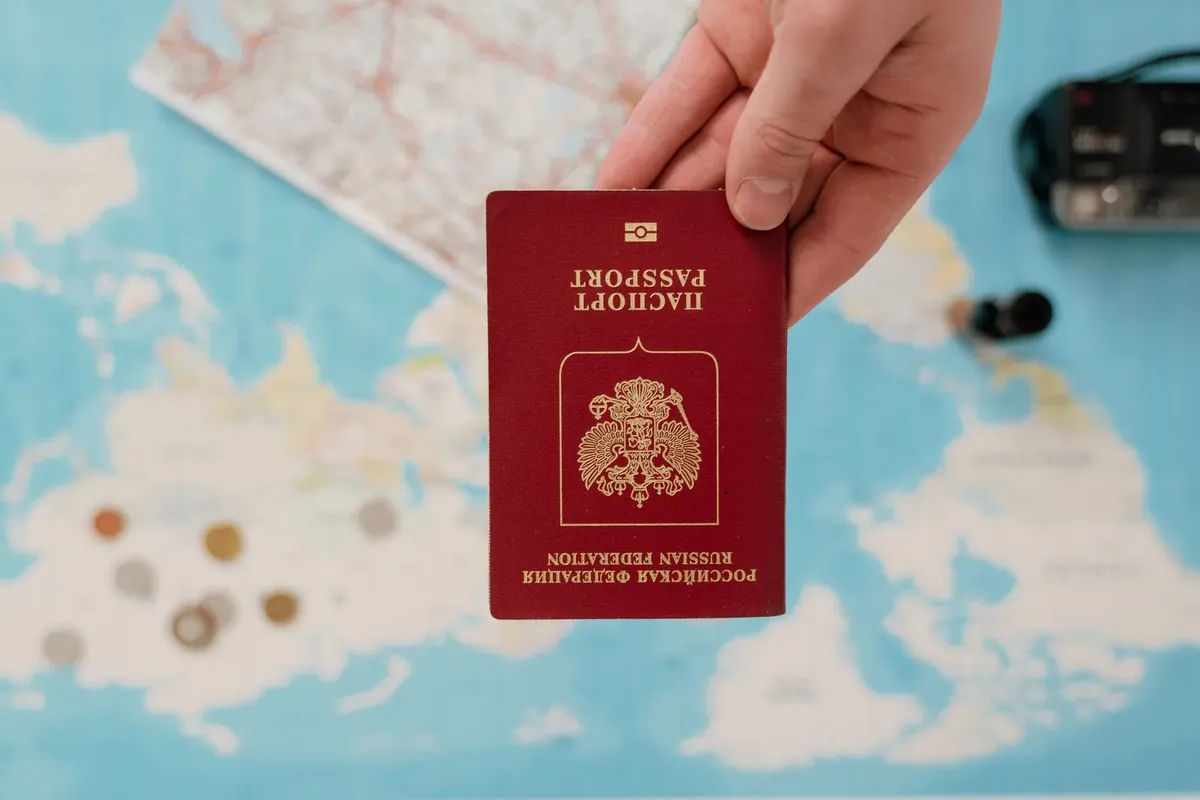
Persons whose citizenship of the Russian Federation has been terminated must surrender their passports to the internal affairs bodies at their place of residence or place of stay, or to the territorial bodies of the Ministry of Internal Affairs.
The regulation of identity documents is strictly controlled to prevent misuse. It is forbidden to confiscate a citizen's passport, except in cases provided for by the legislation of the Russian Federation.
Additionally, if a citizen dies outside the Russian Federation, the passport is taken to a diplomatic mission or consular office of the Russian Federation for its subsequent forwarding to the relevant territorial body of the Ministry of Internal Affairs of Russia.
How is modern biometric technology applied?
A traveler scans their thumb on a digital reader, watching as their identity is instantly verified by a secure system.
The "Transborder passport of a citizen of the Russian Federation" is a biometric travel document issued by the Ministry of Internal Affairs to Russian citizens for international travel.
The evolution of the passport has moved toward higher security through various technological integrations.
| Document Type | Primary Purpose | | :--- | :--- much more secure | | Soviet Internal Passport | Domestic Identity | | Transborder Passport | International Travel |
The transition from paper-heavy processes to biometric integration represents the core of modern passport security.
- The history of the Russian passport involves a transition from Soviet-era documents to modern machine-readable and biometric identification.
- This evolution includes shifts in administrative oversight, changes in document features for children, and the replacement of old symbols with new national identifiers.
- A citizen holds an old, worn booklet, tracing the fading symbols of a vanished state while waiting for new documentation.
The subject here is Russian passport evolution.
The same subject is also called Passport security history.
The same subject is also called Biometric ID progress.
The same subject is also called Soviet to modern pass.
The same subject is also called Travel document tech.
This part also covers Passport tech evolution study.
This part also covers History of Russian identity docs.
Related





Comments 0