Russian multi-party system: Legal vs actual Russian parties
The Russian political landscape maintains a legal structure that allows for multiple parties, yet in practice, it functions through a dominant-party system.
This guide explores the tension between registered political entities and actual power dynamics, noting that while many parties exist, authority remains centralized.
Key takeaways include the distinction between legal frameworks and operational reality, the specific number of registered parties, and the impact of electoral thresholds.
How does the Russian multi-party system function legally?
At dusk in the dim office, the lawyer rubs his tired eyes while reading the complex Russian legal codes.
A researcher sits at a desk in Moscow, looking through a thick folder of legislative documents. The paperwork lists various political groups, each aiming to navigate the complex legal requirements of the state.
According to the Central Election Commission of the Russian Federation, information regarding Russian political parties can be found on their webpage.
The Russian Federation maintains a de jure multi-party system. According to Wikipedia, this legal framework acknowledges multiple political entities, even though the operational reality often reflects a dominant-party system. This distinction is vital for understanding how power is distributed.
The legal structure allows for a variety of registered groups. As of July 2023, 27 political parties are officially registered in the Russian Federation. Of these, 25 have the right to participate in elections.
This variety suggests a competitive environment, yet the underlying power structure remains heavily influenced by a single dominant force.
- Registration of a political party with the Ministry of Justice.
- Meeting the minimum threshold of founding members.
- Participation in federal and regional elections.
What defines the Russian political parties in practice?
A observer watches a televised debate where several representatives from different parties sit in a semicircle. The atmosphere is professional, but the questions frequently circle back to questions of authority and stability.
The diversity of Russia political parties is reflected in their registration numbers. While many groups exist on paper, their ability to influence policy varies significantly. The interplay between these groups and the state defines the nation's internal politics.
The registered status of these groups provides a veneer of competition. While many parties are active, they must navigate a system where one group holds significant sway. This creates a unique environment where multiple parties exist alongside a centralized authority.
In this sequence, the second point is the most extensive.
How has the Duma power structure evolved?
A historian traces a timeline on a whiteboard, marking the shift from the Soviet era to the modern federation. The dates move from the mid-20th century toward the present, showing a changing landscape of governance.
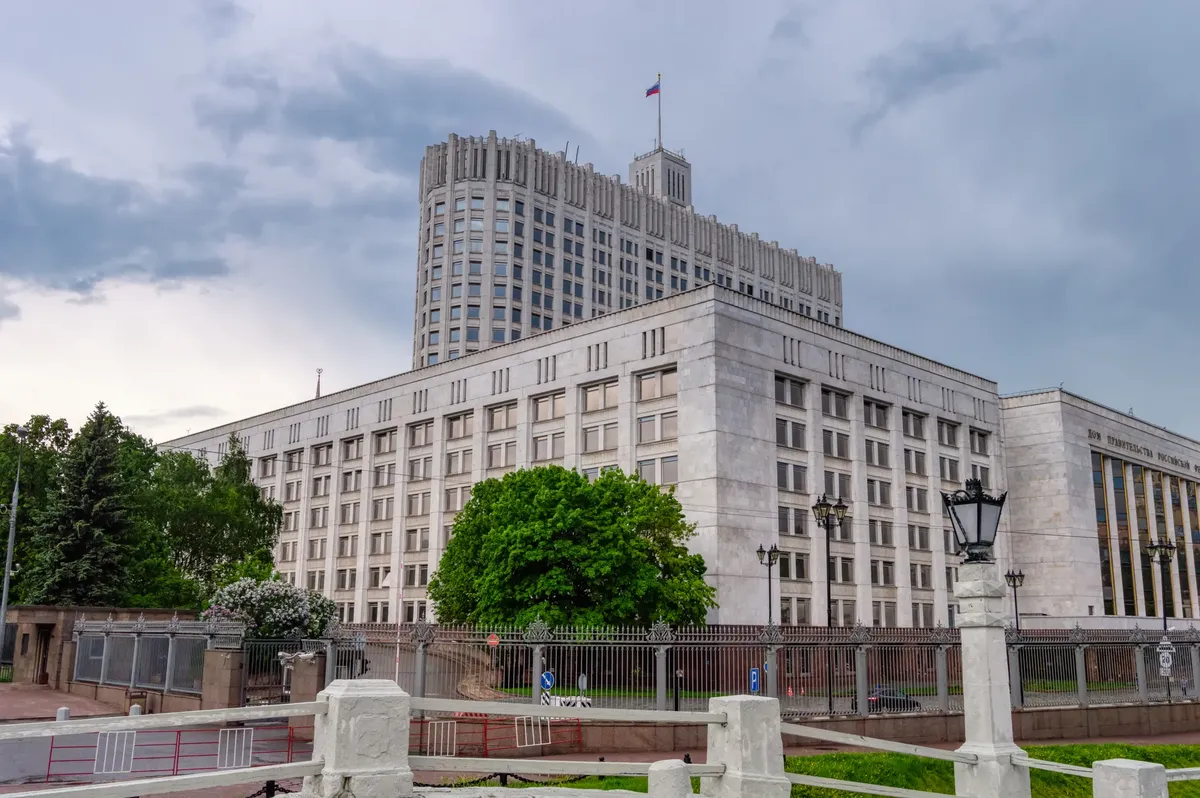
The structure of the legislature has seen various shifts in rules and thresholds. For instance, the electoral threshold for parties was also reduced from 7% to 5%. This change was intended to alter how parties enter the legislative body.
Historically, changes in law have responded to social pressures. After a series of mass protests and a 2011 European Court decision regarding the Republican Party of Russia, the law changed. Consequently, the number of registered parties quickly increased to more than 48 as of December 2012.
These shifts demonstrate how legal frameworks can expand or contract based on political pressure.
What is the United Russia role in this system?
A political analyst reviews a chart showing seat distributions in the legislature. One bar towers over the others, representing the overwhelming presence of the leading party.
The dominant-party system ensures that one group maintains a consistent grip on power. While other parties are present, they often operate within a framework established by the leading entity. This ensures stability but limits the scope of true political competition.
The dominance of a single group can shape the entire legislative process. Even with a multi-party system on paper, the leading party's influence can overshadow smaller groups. This dynamic is a central feature of the current political environment.
How do Russian political system dynamics impact stability?
A diplomat sits in a quiet room, reflecting on the stability of the region. The questions of how much change a system can absorb without fracturing remain at the forefront of the discussion.
The balance between many parties and a dominant leader is a key component of the Russian political system. This balance is maintained through a combination of legal rules and political maneuvering. The result is a system that appears pluralistic but remains highly controlled.
The interplay of these forces maintains a specific type of order. While the system allows for some level of representation, the primary power remains centralized. This ensures that the dominant party can direct the nation's trajectory.
How do we compare the registered parties to active participants?
A clerk compares two lists: one containing all registered names and another containing only those eligible for election. The discrepancy between the lists highlights the narrowing field of active politics.

The following table compares the total registered parties with those currently holding election rights.
| Category | Number of Parties |
|---|---|
| Total Registered Parties | 27 |
| Parties with Election Rights | 25 |
I noticed that while many parties are registered, only a fraction holds the legal right to participate in elections. This distinction is a critical part of understanding the active political landscape.
The limitation of this analysis is that it only reflects the status as of July 2023, and the specific rights of these parties can change based on evolving election laws.
The subject here is Russian multi-party system.
This part also covers Legal vs actual Russian parties.
This part also covers History of Russian party rule.
This part also covers United Russia dominance analysis.
Legal vs actual Russian parties
Related
- Russia party system change: Why 27 parties are registered
- Russian passport evolution: 5 administrative shifts guide
What are the implications of the electoral threshold changes? Changes to the electoral threshold demonstrate how the legislative body's entry requirements can be modified. The reduction of the threshold from 7% to 5% was an attempt to alter the composition of the legislative body. This procedural shift suggests an intent to influence which political groups gain a foothold in the Duma.
These pressures can cause the number of registered parties to increase rapidly.
The continued existence of a de jure multi-party system alongside a dominant-party reality illustrates a persistent tension within the Russian Federation's governance structure. This tension exists between the written rules and the practical application of political power.



Comments 0