Fertility at 1.37: Understanding Russia's Population Strain
"Demographics are not just numbers on a page; they are the heartbeat of a nation's future."
The shifting population structure in Russia represents more than a simple decline in numbers; it poses fundamental questions about long-term sustainability and social vitality. By looking at 2025 data alongside historical trends, we can begin to understand the gravity of this demographic crisis.
* Persistent Population Decline: A downward trend that has continued since the 1991 peak. * Structural Imbalance: Natural decrease caused by the gap between birth and death rates. * Identity Shifts: Subtle changes in ethnic composition that shape the social landscape.
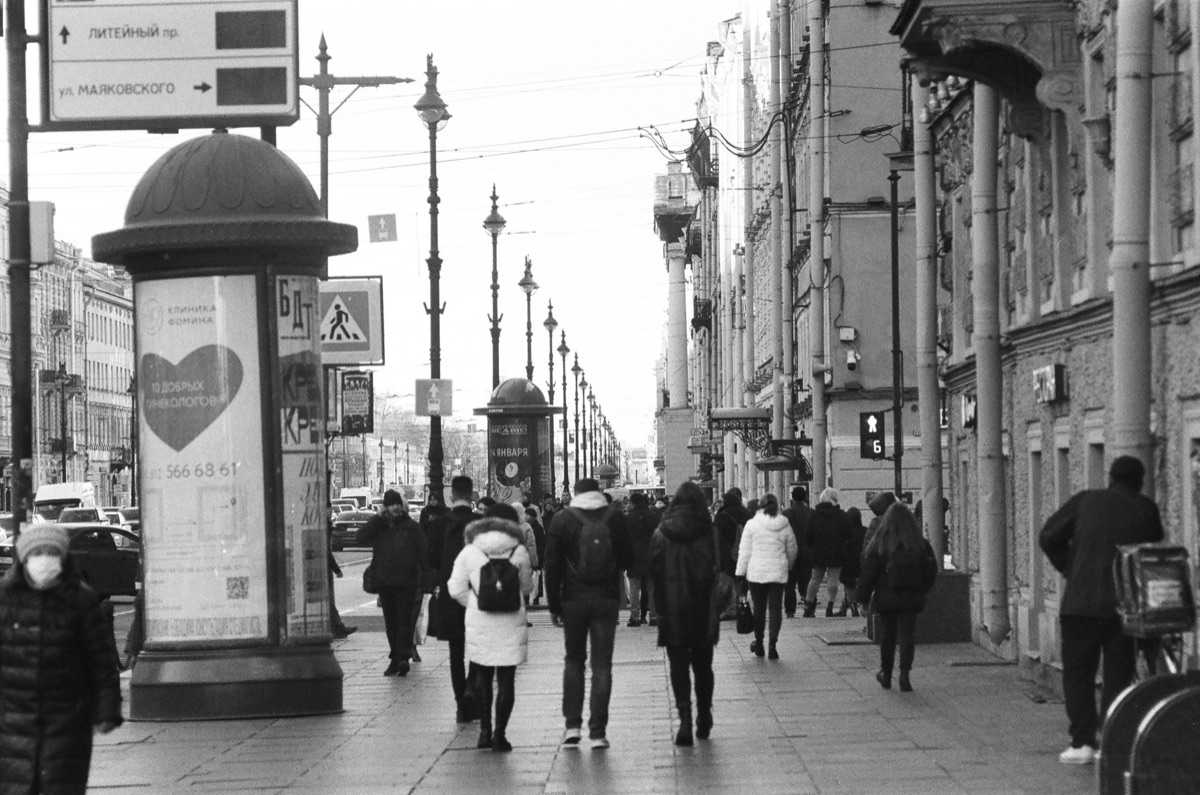
Why won't the population decline stop?
At midnight, a heavy silence filled the study as he stared at the fading ink on the old parchment.
Late at night, sitting at a desk under the dim glow of a lamp, I found myself pausing to double-check the numbers on a weathered statistical report.
The data shows a clear, long-term trajectory rather than a temporary dip. After peaking at 148,689,000 in 1991, the population decreased, falling to 142,737,196 by 2008. This downward slope represents a structural shift spanning decades.
According to the United Nations Department of Economic and Social Affairs (UNDESA), the population decline had dropped to about 0.9% in 2023, which was less than half of its peak seen between 1962 and 1968.
Looking back at historical trends, the numbers tell a story of sudden change. Annual births, which reached 2.5 million in 1987, dropped sharply to 1.2 million by 1997, representing a 50% decrease.
While the current 1.37 fertility rate is higher than it was during the 1990s, it remains insufficient to maintain a stable population.
This decline leads directly to challenges regarding the workforce and dependency ratios. As the population shrinks, the proportion of the economically active population drops, which can create a cycle where the burden of supporting the elderly increases.
However, the issues involving identity are even more complex than these raw numbers.

How many people live there in 2025?
Watching the crowds move through a city center, one might wonder if the current population size can sustain the weight of the future. To understand Russia's current situation, we must compare recent data against historical benchmarks.
According to World Bank data, Russia recorded a total population of 143,513,328 in 2025. This represents a clear reduction from previous peaks and serves as a critical metric for determining the scale of national operations.
The following table summarizes the key indicators for understanding these population shifts:
| Indicator | Primary Data Point | Context |
|---|---|---|
| Historical Peak | 148,689,000 (1991) | The baseline for decline |
| 2008 Population | 142,737,196 | Confirmation of steady decline |
| 2025 Population | 143,513,328 | Registered by the World Bank |
These figures suggest that the decline is not a momentary fluctuation but a long-term trend. If the numbers are shifting, how is the internal makeup of the people changing?
How are ethnic identity and composition shifting?
An official carefully organizing census records represents a solemn moment of documenting a nation's identity. Population statistics include more than just totals; they capture the ethnic and social fabric of a community.
Looking at the 2021 Census, the data reveals interesting shifts in ethnic identity. Among those who stated their ethnicity, nearly 72% were ethnic Russians, while approximately 19% identified as various ethnic minorities.
Furthermore, the percentage of the total population that did not publicly indicate any ethnic identity rose from 3.94% in 2010 to 11.27% in 2021. This increase might suggest a rise in social anonymity or subtle shifts in how people define themselves.
Yet, as significant as these numbers are, the values held by the people are equally vital.
What role do religion and social cohesion play?
As the bells of an old cathedral echo through a quiet village, people often find themselves reflecting on their personal faith. Population statistics can also offer a glimpse into a society's values and its sense of cohesion through religious distribution.
In 2017, a survey made by the Pew Research Center showed that 73% of Russians declared themselves as Christians—out of which 71% were Orthodox, 1% was Catholic, and 2% were other Christians, while 15% were unaffiliated, 10% were Muslims, and 1% followed other religions.
This religious distribution is a key element in understanding social traditions and value systems. The impact of religious identity on social cohesion is often profound.
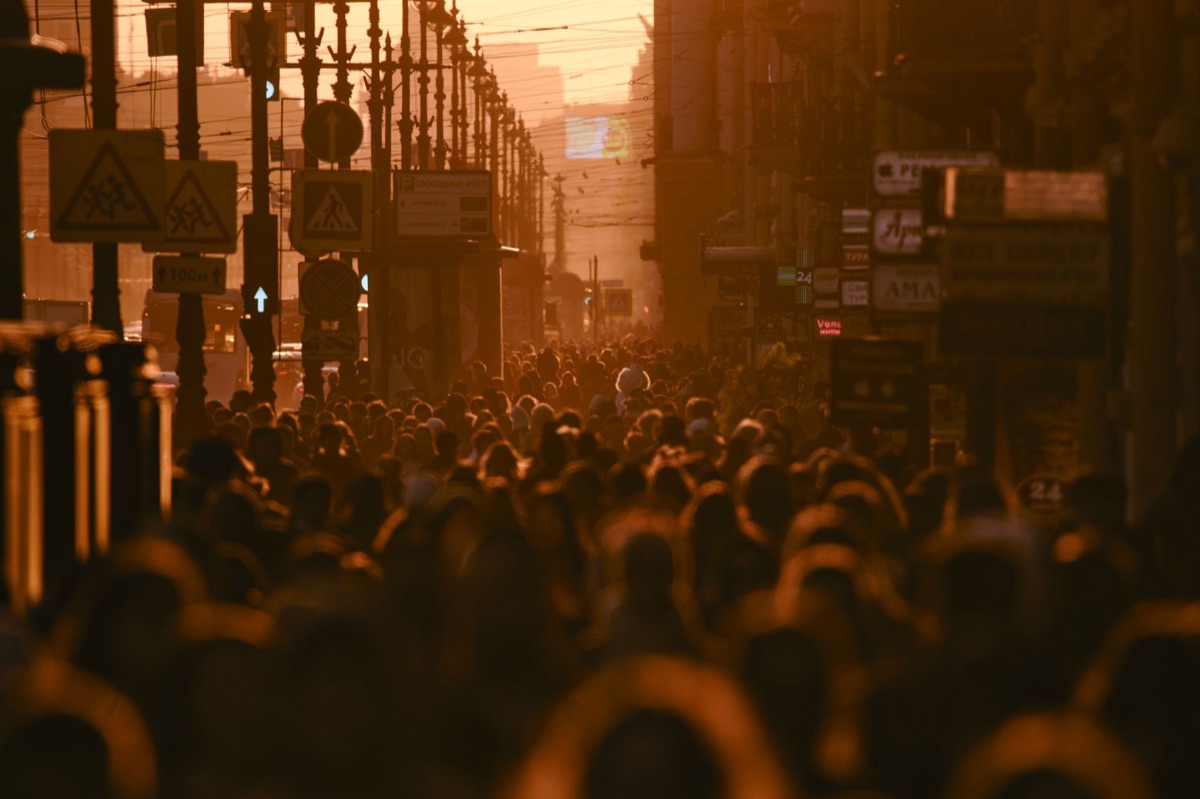
Summary of demographic changes
Demographic issues are driven by a complex web of factors. Based on the data discussed, we can summarize the core elements of this change:
- Continuous Natural Decrease: Since the early 1990s, the total population has maintained a downward trajectory. 2. Structural Fertility Limits: Following a sharp drop in births, the population is now navigating a slower change with a 1.37 fertility rate. 3. Shifting Ethnic Composition: The balance between ethnic Russians and minority groups, along with the rise in unstated identities, shows a dynamic demographic. 4. Religious Identity: A religious background centered on Orthodoxy acts as a significant pillar for social cohesion.
Future outlook and key points
Next week, we will look deeper into how these demographic shifts specifically impact the labor market and economic growth rates.
* Labor Shortages: The speed at which population decline leads to workforce gaps in various industries. * Aging Population: The correlation between a shrinking working-age population and increasing dependency ratios.
Rapid demographic change will remain one of the most powerful variables determining the direction of national policy.



Comments 0