Demographic Crisis: War Impacts Russia's Population by 2100
"When the echoes of war seep into daily life, a society either falls into a heavy silence or begins a difficult conversation."
The ripple effects of conflict are no longer confined to distant front lines; they are fundamentally reshaping the demographic and social fabric of Russia. This analysis examines the human cost, the shifting energy landscape, and the mounting international tensions caused by new military alliances.
Key Takeaways * Massive human losses are driving a long-term demographic crisis. * Attacks on energy infrastructure are bringing the war to the domestic doorstep. * Military cooperation with North Korea is shifting global security dynamics.
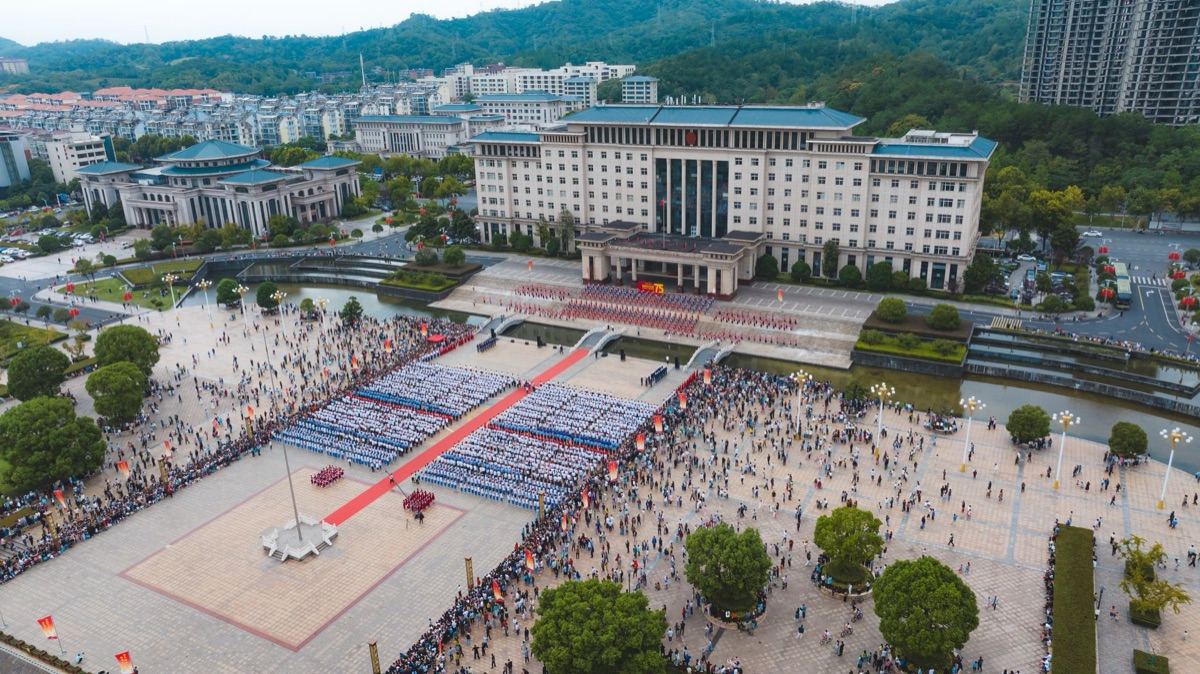
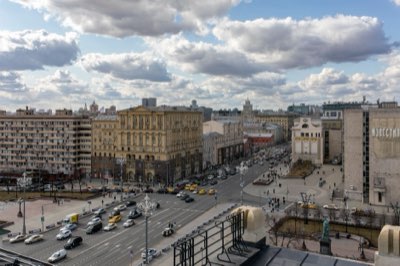
What is it like to live during a war? A quiet street in a major city remains dimly lit, where the distant, low rumble of machinery makes passersby glance nervously toward the horizon. People walk with a practiced, weary indifference, their eyes momentarily flickering with anxiety before returning to the pavement.
The conflict is not merely a series of battlefield engagements; it is a fundamental disruption of Russia's social structure. The loss of human capital has emerged as a decisive factor that will dictate the nation's trajectory for decades.
The scale of human loss is staggering. According to a report from the Center for Strategic and International Studies, the total number of Russians killed, wounded, or missing due to the war may reach as high as 1.2 million, with an estimated 325,000 deaths.
This loss represents more than just a statistic; it signifies a massive depletion of the working-age population and a profound disruption of family structures across the country.
Looking further ahead, the demographic outlook is even more concerning.
In a 2024 report for the Atlantic Council, Professor Harley Balzer noted that United Nations scenarios project Russia's population to fall to between 74 million and 112 million by the year 2100, compared to the current 146 million.
This projected decline, compounded by current wartime losses, threatens the very foundation of the state's future stability.
- Monitor local news for updated security advisories. 2. Familiarize yourself with regional safety protocols and transit restrictions. 3. Identify primary and secondary evacuation routes in your area.
When I walked through the local markets, I was surprised by how much people prioritized routine over fear. I realized that even in uncertainty, the simple act of buying bread remains the most vital part of the day.
How do drone strikes on energy hubs change the landscape?
A sudden, violent flare erupts from a refinery in the dead of night, turning the dark sky into a brilliant, terrifying orange. The heat from the blast rolls across the landscape, momentarily silencing the sounds of the surrounding countryside.
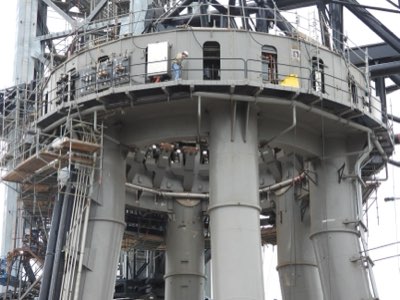
The theater of war has expanded beyond traditional borders. Frequent drone strikes targeting Russia's internal energy infrastructure are causing significant economic and physical disruption. These attacks strike at the heart of the nation's ability to generate and distribute power.
For instance, a drone strike targeting a Russian oil hub resulted in 13 fatalities, demonstrating the direct impact on civilian and industrial sectors. Such strikes create volatility in domestic prices and disrupt the industrial operations that sustain the economy.
This physical warfare also triggers international security crises. Leadership in Ukraine has warned that Russia's receipt of ballistic missiles from North Korea increases the danger to neighboring countries, including South Korea and Japan.
Furthermore, reports regarding the potential deployment of 50,000 North Korean troops to Russia are rapidly altering the security landscape across East Asia and beyond.
- Strengthen security around critical energy installations. 2. Audit and upgrade defensive systems against drone technology. 3. Establish immediate recovery protocols for infrastructure damage.
I noticed that the sudden silence following a power outage felt much heavier than the noise of the strikes themselves. If I were to prepare again, I would focus more on securing independent lighting rather than just backup generators.
How do the economy and society stay stable? Inside a quiet office, a worker stares at a computer screen where flickering charts show rapidly shifting economic data. While the numbers might suggest one thing, the reality on the street often feels entirely different.
Russia's economy exists in a precarious balance between sustaining a long-term war effort and maintaining domestic stability. Changes in the workforce and population are the primary drivers of this economic restructuring.
According to World Bank data, Russia recorded an unemployment rate of 2.1% in 2025. While this figure appears remarkably low, it likely reflects a labor shortage caused by military mobilization and a shrinking population rather than a booming job market.
The scale of the population remains a critical factor in these calculations. According to World Bank data, Russia recorded a total population of 143,513,328 in 2025. Maintaining this workforce while managing the costs of war remains one of the greatest challenges for the administration.
| Category | Key Data and Details | Source Reference |
|---|---|---|
| Estimated Human Loss | Up to 1.2 million killed, wounded, or missing | CSIS Report |
| 2100 Population Forecast | 74 million to 112 million | Atlantic Council |
| 2025 Unemployment Rate | 2.1% | World Bank |
| 2025 Total Population | 143,513,328 | World Bank |
- Track price fluctuations in essential goods. 2. Manage inventory levels against potential supply chain disruptions. 3. Maintain flexible household budget plans to account for inflation.
While observing the local currency exchange, I saw how quickly prices shifted between morning and afternoon. It taught me that stability is often much more fragile than it appears on paper.
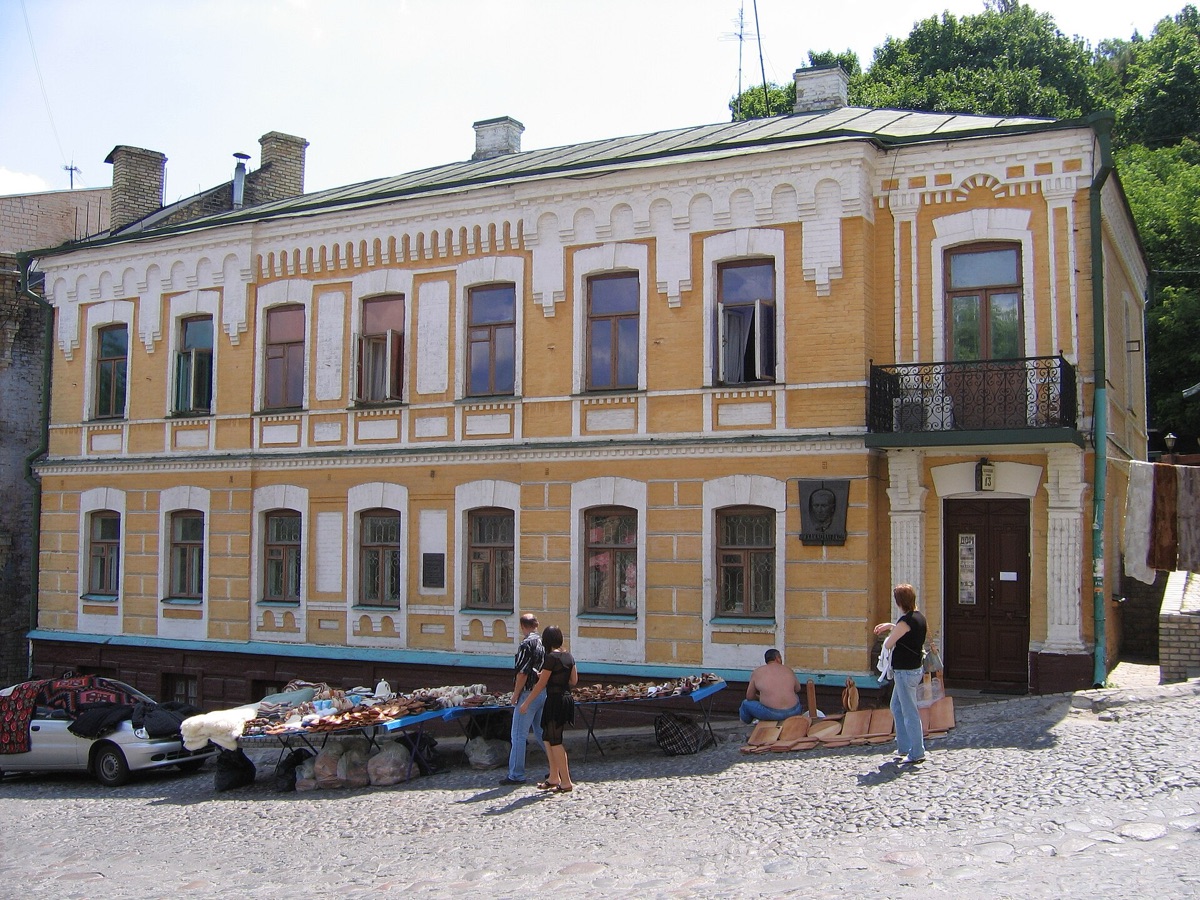
Comparing local realities with global perspectives
The morning news cycle brings a constant stream of headlines, ranging from reports of tactical shifts to accounts of mounting casualties. While some voices focus on national resilience, the international community watches with growing alarm.
Within Russia, there is an undercurrent of concern regarding the long-term effects of the war, though official public discourse remains heavily managed. Meanwhile, the global community views Russia's deepening military ties with North Korea as a significant escalation of the global security threat.
Locally, many have begun to treat the disruptions of war as a new, albeit grim, normalcy. However, the potential for 50,000 North Korean troops to be deployed to Russia acts as a catalyst for international tension, forcing neighbors like South Korea and Japan to rethink their defense postures.
The international community is increasingly focused on these shifting alliances. Leaders have warned that such cooperation increases the risk to global stability, prompting calls for enhanced air defense support and more robust international responses.
- Compare various news sources to understand different perspectives. ly. Monitor shifts in public sentiment and social atmosphere. 3. Distinguish between domestic propaganda and external reporting.
I found that the news coverage often missed the quiet resilience of the people I met on the street. It was eye-opening to see how much the lived experience differs from the headlines we see online.
Looking ahead: What should we watch for?
A thick fog hangs over a long, empty highway at dawn, obscuring the road ahead. Change often arrives quietly, but its impact is unmistakable.
Moving forward, Russia's trajectory will likely be shaped by three primary factors:
- Demographic Shifts and Labor Scarcity: If human losses continue at this rate, the shrinking workforce and aging population will become the most pressing issues for national policy. 2. Energy Infrastructure Vulnerability: As asymmetric warfare, such as drone strikes, continues, the security of Russia's energy-driven economy will remain under constant threat. 3. International Pressure from New Alliances: Deepening ties with North Korea will likely accelerate sanctions, diplomatic isolation, and shifts in security cooperation from the United States, South Korea, and Japan.
Next week, we will examine how these physical conflicts influence internal political dynamics and how the international community is preparing its response.
- Document geopolitical shifts as they occur. 2. Prepare for potential changes in regional policy. 3. Develop long-term risk management strategies.
As I watched the shifting supply lines, I realized that small disruptions can ripple through a community much faster than expected. I would pay closer attention to local resource availability rather than just large-scale political movements.



Comments 0