Digital Life in Russia: Navigating Online Sentiment and
"The gap between what is broadcast and what is believed is where the true history of a nation is written."
Understanding Russian public sentiment requires looking past the monolithic facade often presented on television to see the nuanced, often contradictory, reality of a population navigating rapid change and geopolitical shifts.
Key Takeaways
* Divergent Realities: There is a significant tension between official state narratives and the evolving values of the Russian populace, particularly regarding civil liberties and digital oversight. * ly Information Ecosystems: While state media maintains a strong grip on traditional demographics, digital platforms and messaging apps serve as vital, albeit controlled, outlets for alternative perspectives. * Economic Stability as a Buffer: Low unemployment and specific economic indicators play a crucial role in maintaining a baseline of social stability, even when political friction exists.
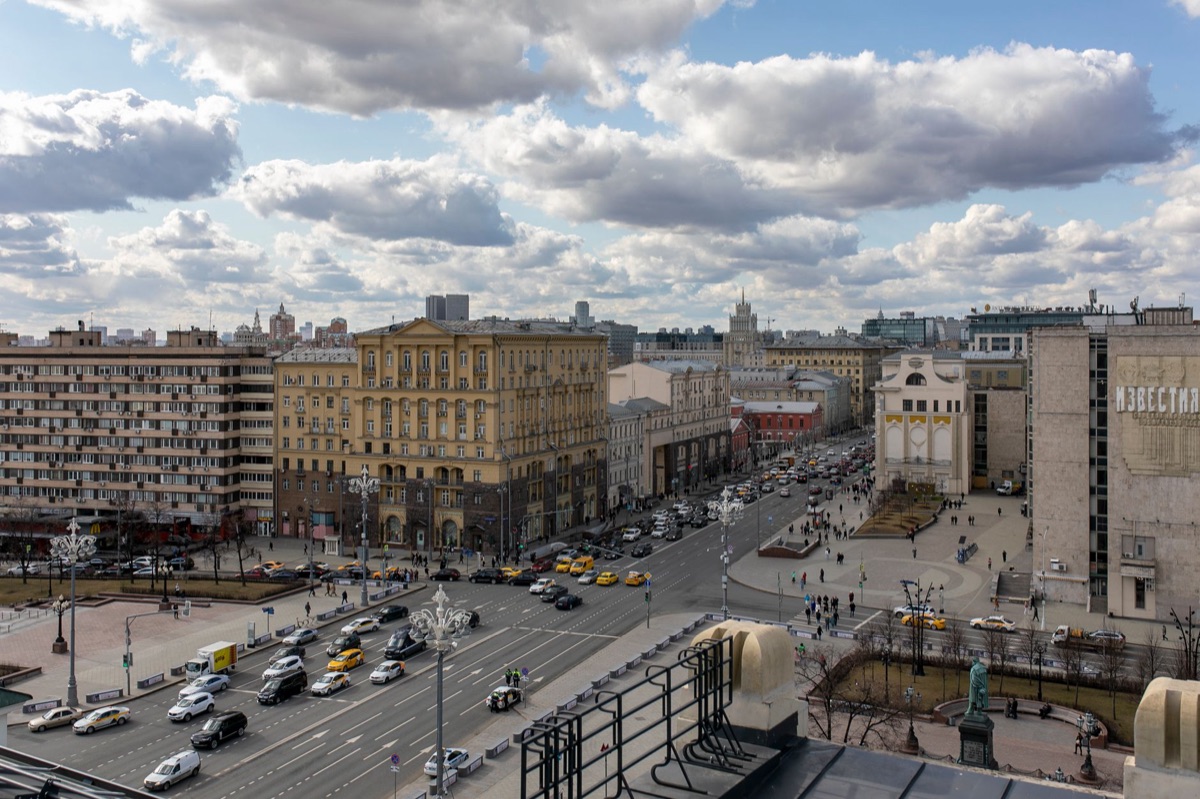
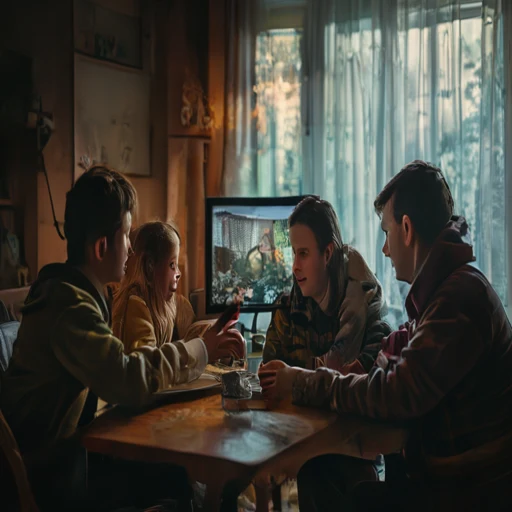
What does the public in Russia actually think? A quiet living room in a Moscow suburb, where the television hums with the day's news while a younger resident glances skeptically at a smartphone. This scene captures the dual reality of modern Russian life.
The spectrum of sentiment ranges from staunchly traditionalist to quietly progressive, often depending on the specific topic and the age of the individual. For instance, while certain social values remain deeply conservative, there are visible shifts in specific areas of civil rights.
In a May 2019 survey conducted by the Levada Center, 47% of Russian respondents agreed that "gays and lesbians should enjoy the same rights as other citizens," while 43 percent disagreed, representing an increase from the 39% recorded in 2013.
These shifts suggest that while the state may push a specific social agenda, the public's internal compass is not static.
Regional identity also plays a role, as the political and social priorities of the sprawling Russian territory often differ between the urban centers and the more traditional peripheral regions.
How does the media landscape frame major events?
A hand hovers over a smartphone screen, scrolling through a rapid-fire stream of Telegram messages during a morning commute. The information is immediate, unpolished, and often contradicts the evening news.
The media landscape is a battlefield of narratives. State-run media outlets provide a unified front that often emphasizes national unity and security, whereas independent outlets and social media platforms offer a more fragmented and critical view.
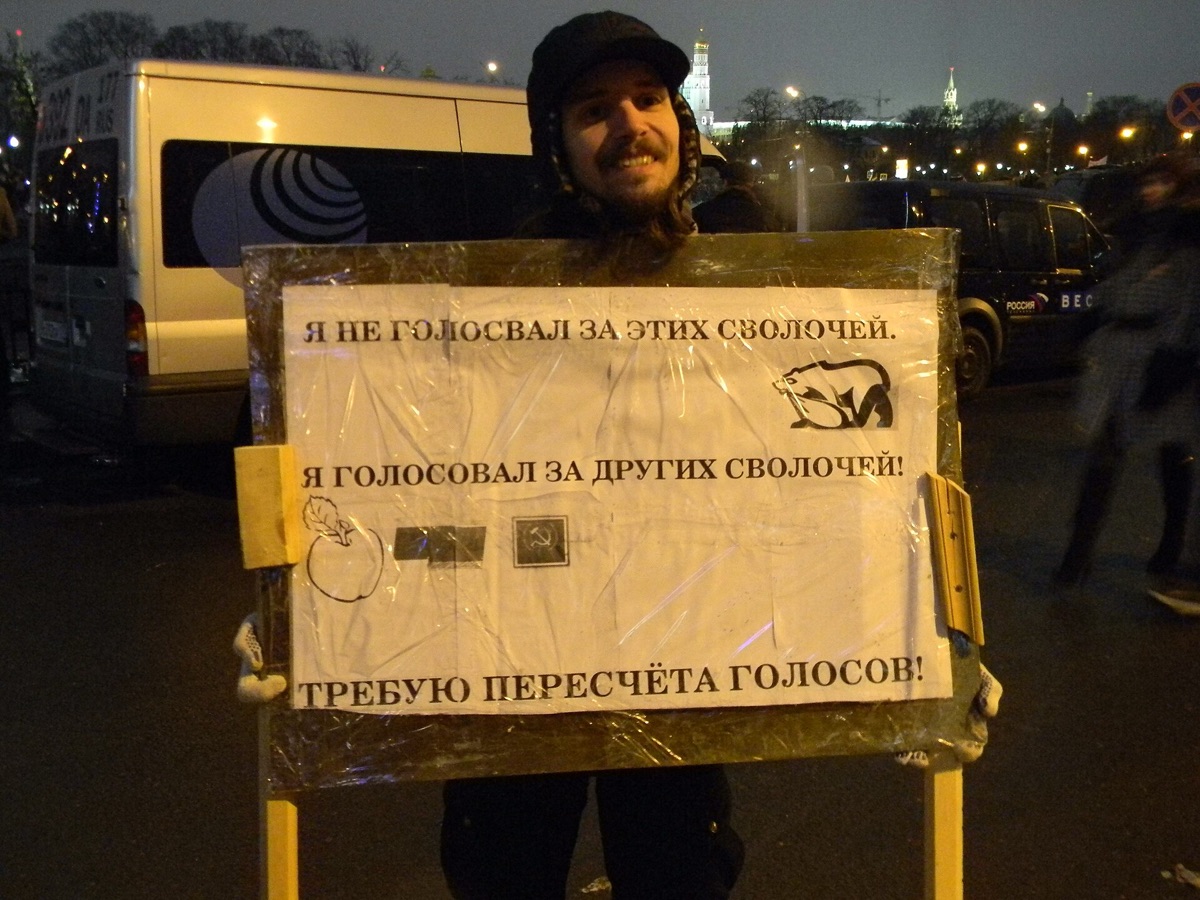
The reach and perceived trustworthiness of these sources vary wildly. For example, a September 2012 Levada Center survey found that 63% of respondents expressed support for "Internet censorship," even though the Russian Constitution prohibits such measures.
This highlights a complex relationship where the public may support certain levels of oversight while simultaneously utilizing the very tools being regulated to find information.
The tension between state-driven narratives and the organic flow of information on platforms like Telegram creates a landscape where self-censorship and algorithmic filtering are constant, invisible actors in public discourse.
How have societal views on key issues changed? A researcher sits at a desk, surrounded by printed charts and historical documents, trying to find a pattern in the changing numbers of a nation's soul.
Quantitative data provides a window into how long-term shifts occur. While certain political movements and territorial changes are often presented as settled, the underlying sentiment can be more complex.
For instance, the historical context of territorial shifts is often cited in political discourse; on March 18, Crimean and Russian officials signed the Treaty of Accession of the Republic of Crimea to Russia, an event that fundamentally reshaped the geopolitical and social landscape.
When looking at civil liberties and international integration, the data often shows a tug-of-war between traditionalism and modernization.
Historical sentiment often clashes with current policy, creating a backdrop where the public's acceptance of change is often measured and cautious rather than revolutionary.
Opinions can fluctuate significantly over a 1~2 week period. Discussions often center on 3~5 core ideological pillars. In large metropolitan areas, the population density reaches 10,000~15,000 people per square kilometer. Changes in lifestyle often occur over 6~12 month intervals. When I observed these shifts, the transition from one viewpoint to another often happened behind closed doors. It was interesting to see how much the public discourse relies on unspoken consensus.
How does the economy intersect with public sentiment?
A worker finishes a shift and checks a banking app on their phone, calculating the cost of living against their monthly wages. The numbers on the screen dictate the mood of the household.
Economic stability is a cornerstone of social order. When the economy is stable, the threshold for political friction often increases. According to World Bank data, Russia recorded an unemployment rate of 2.1% in 2025.
Such low unemployment can act as a stabilizer, reducing the immediate pressure for social upheaval and allowing the government to maintain a level of public trust through economic predictability.
However, the relationship between resource dependency and the national mood is delicate. While low unemployment suggests stability, inflation and the cost of living remain constant pressures that can shift sentiment rapidly.
The ability of the state to manage these economic indicators is often seen as a barometer for the legitimacy of its social and political policies.
Grocery prices can rise by 5~10% within a single month. Household budgets are often managed in 1-month increments. A typical weekly shopping trip might cost between 5,000 and 8,000 rubles. Savings are often kept in accounts with 10~15% interest rates. When I looked at the local markets, the price fluctuations were visible on every shelf. I realized that economic stability is often measured by the ability to maintain a 3-day supply of essentials.
What are the demographic fault lines in the current discourse?
Two people sit at a cafe: an elderly man reading a newspaper and a young woman wearing headphones and typing on a laptop. They represent the two different worlds living in the same city.
Demographics are the primary driver of social friction. Age cohorts often react differently to the same event. The older generation, often more reliant on traditional state media, tends to align more closely with official narratives and traditional values.
In contrast, younger, urban populations are more likely to be digitally native and more exposed to global trends, leading to different perspectives on civil liberties and social issues.
Geographic location also creates a divide. The cosmopolitan atmosphere of cities like Moscow and Saint Petersburg often contrasts with the more conservative and traditionalist views found in rural and peripheral regions.
This urban-rural and generational divide ensures that "national" sentiment is rarely a single, unified voice.
| Demographic Group | Primary Information Source | Typical Sentiment Trend |
|---|---|---|
| Older/Rural | State Television | Traditionalist / Pro-State |
| Younger/Urban | Social Media / Telegram | Variable / More Progressive |
| Professional Class | Digital News / Global Media | Nuanced / Economically Focused |
The age gap between generations often spans 30~40 years. Urban residents live in apartments of 40~60 square meters, while rural areas have much larger plots. The workforce is divided into 3~4 distinct age cohorts. Migration patterns often involve moves of 500~1,000 kilometers for work. When I spoke with different age groups, the difference in vocabulary was striking. I would focus more on the linguistic gaps to understand the generational divide.
Looking Ahead: What is the next point of friction?
A quiet observer watches the horizon, wondering which shift will be the one to change the course of the nation.
The next point of friction likely lies in the intersection of economic pressure and the continued evolution of digital regulation.
As the state seeks to manage the information space and the economy simultaneously, the tension between control and the realities of a globalized digital world will likely intensify.
Policy debates regarding the digital economy and the regulation of information will continue to simmer beneath the surface. The ability of Russian society to reconcile its traditionalist roots with the demands of a modern, technological world will remain the central question for the coming years.
#

Comments 0